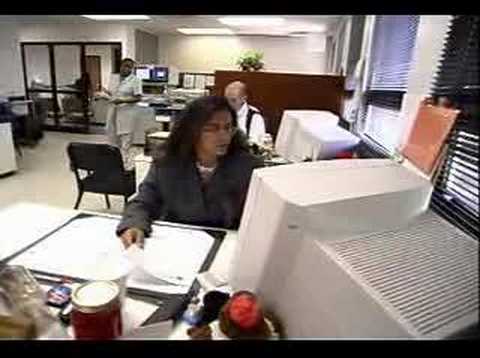
Photo: SGT David Strayer (Public domain)
Job description
Arriving at a scene often means checking victims for signs of life and securing the perimeter before anything else happens, so evidence isn't lost or contaminated. From there, detectives collect physical evidence, take statements from witnesses and suspects, and cross-reference all of it against the responding officer's account of what happened. A lot of the job takes place away from the scene itself: coordinating with a medical examiner or the district attorney's office, and following up leads that don't pan out until they find one that does. It calls for sound independent judgment under pressure, since mistakes in evidence handling or an overlooked detail can derail a case, and detectives typically move up into the role after time spent in patrol or another entry-level law enforcement position.
Pros
- High upside earning potential, up to $161k, among the stronger-paying protective service roles
- Accessible entry point, vocational training or an associate's degree, no bachelor's degree required
- Investigative, high-autonomy work piecing together evidence and testimony to solve real cases
Cons
- Above-average hours, expect more than a standard 40-hour work week
- Employment in this field is projected to shrink slightly over the next decade (-0.7%)
- Regular exposure to disturbing scenes and evidence, plus dealing with victims and witnesses under stress
A typical day
The callout comes at 6:10am: a burglary discovered at a warehouse, and the detective's first hour is the scene — perimeter confirmed, entry point photographed, the broken lock bagged and logged, because every piece of evidence carries a chain of custody that a defense attorney will one day test. Back at the unit, the day layers cases: video canvass footage from the warehouse's neighbors reviewed at double speed, a pawn-shop database search for the stolen tools, and an afternoon interview where a suspect's story shifts twice — noted, locked in, and compared against the timeline that doesn't lie. An older case gets a break when a fingerprint hit returns from the lab. Reports consume the last hours, written for an audience of prosecutors. The work is patience structured as procedure: most cases crack from paperwork, not car chases.
Tasks at the job
- Check victims for signs of life, such as breathing and pulse.
- Block or rope off scene and check perimeter to ensure that entire scene is secured.
- Preserve, process, and analyze items of evidence obtained from crime scenes and suspects, placing them in proper containers and destroying evidence no longer needed.
- Notify, or request notification of, medical examiner or district attorney representative.
- Obtain facts or statements from complainants, witnesses, and accused persons and record interviews, using recording device.
- Obtain summary of incident from officer in charge at crime scene, taking care to avoid disturbing evidence.
Workplace & working conditions
Work happens mostly inside a vehicle or piece of equipment. Noise levels can be distracting or uncomfortable. The role involves regular exposure to contaminants.
There's a regular, moderate amount of time pressure, and you're expected to exercise significant independent judgment day to day. Mistakes can have serious consequences, so accuracy matters a lot, and the work is highly structured, following set procedures. You'll regularly deal with frustrated or upset people as part of the job, and almost all of the work is done as part of a team.
Education necessary or common
Vocational training, apprenticeship, or associate's degree
Common college majors
Licenses & certifications
- State police academy (POST) certification
- Detective/investigator promotion (agency-internal)
- Specialized investigative certifications (homicide, financial crimes, digital)
Career path
Related fields
Courses to take
- AP Psychology — interviewing, memory, and deception
- AP U.S. Government — constitutional procedure governs everything
- Chemistry/Biology — forensic evidence literacy
- English — reports and affidavits must be precise and complete
- Criminal justice electives where offered
Clubs, activities & competitions
- Law enforcement Explorer post — the direct pipeline
- Mock Trial — see evidence from the courtroom side
- Debate — building and testing arguments
- Team sports — academies and squads run on teamwork
First steps you can take now
- Do a ride-along with your local police department — most offer them at 16-18
- Learn the path: patrol officer first, detective by promotion, typically years in
- Keep a spotless record — background checks are exhaustive
- Interview a detective about what the TV shows get wrong