Photo: USFWS Mountain-Prairie (CC BY 2.0)
Job description
A typical day mixes administrative work, building shift schedules, reviewing reports, and briefing officers on changes to laws or procedures, with hands-on oversight of investigations to make sure evidence is collected and handled correctly. Supervisors act as the link between officers on the ground and department leadership, translating policy changes into practice. Nearly everyone reaches this role after years as a patrol officer or detective, and further advancement typically leads toward captain or another senior command position.
Pros
- High upside earning potential, up to $165k
- Steady demand with roughly 10,900 positions nationwide and modest projected growth (2.9%)
- Only a high school diploma plus on-the-job training required to enter the supervisory track
Cons
- Above-average hours -- expect more than a standard 40-hour work week
- Regular exposure to hazardous equipment, conditions, and contaminants on the job
- Frequently deals with frustrated or upset people, adding emotional strain to daily work
A typical day
Roll call at 6 a.m.: the sergeant briefs the shift on an overnight string of car break-ins, assigns beats, and reminds two officers about body-camera compliance. The morning is supervision in motion — backing officers on a domestic call, approving reports in the car between incidents, and coaching a rookie through a shaky traffic stop debrief. At 2 p.m. a use-of-force review lands on the desk: footage watched frame by frame, policy checked line by line, findings written straight. The shift ends with scheduling, a community meeting appearance, and the quiet accountability work — because the sergeant's standards become the shift's standards, for better or worse.
Tasks at the job
- Supervise and coordinate the investigation of criminal cases, offering guidance and expertise to investigators, and ensuring that procedures are conducted in accordance with laws and regulations.
- Prepare work schedules and assign duties to subordinates.
- Direct collection, preparation, and handling of evidence and personal property of prisoners.
- Explain police operations to subordinates to assist them in performing their job duties.
- Maintain logs, prepare reports, and direct the preparation, handling, and maintenance of departmental records.
- Inform personnel of changes in regulations and policies, implications of new or amended laws, and new techniques of police work.
Workplace & working conditions
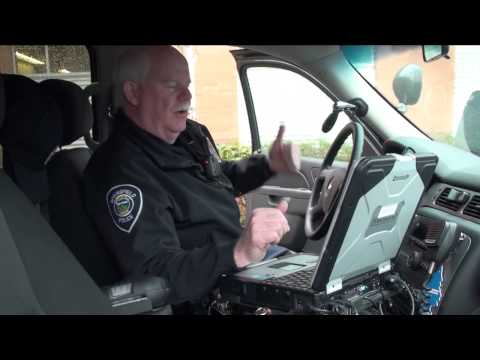
Work happens mostly inside a vehicle or piece of equipment, and you work in close physical proximity to coworkers or the public for much of the shift. Noise levels can be distracting or uncomfortable. The role involves regular exposure to hazardous equipment or conditions and contaminants, and specialized protective equipment is standard.
There's a regular, moderate amount of time pressure, and you're expected to exercise significant independent judgment day to day. You'll regularly deal with frustrated or upset people as part of the job.
Education necessary or common
High school diploma; some on-the-job training or apprenticeship
Common college majors
Licenses & certifications
- State POST academy certification (the foundation)
- Supervisory/leadership courses (agency-provided)
- Firearms and defensive tactics qualifications
- First Aid/CPR
Career path
Related fields
Courses to take
- AP Government — constitutional law is the boundary of every police action
- AP Psychology — de-escalation, interviews, and leading officers
- English/Composition — report review is a daily supervisory duty
- Physical Education — fitness standards and defensive tactics
- AP Statistics — crime data drives deployment
Clubs, activities & competitions
- Police Explorer post — the direct pipeline, open to teens
- JROTC
- Team sports — composure and teamwork
- Mock Trial — courtroom procedure from the inside
First steps you can take now
- Join a Police Explorer program at your local department
- Do a ride-along when you are old enough (often 16-18 with a waiver)
- Interview a sergeant about the officer-to-supervisor path and the promotion exam
- Keep a spotless record — hiring and promotion both depend on it