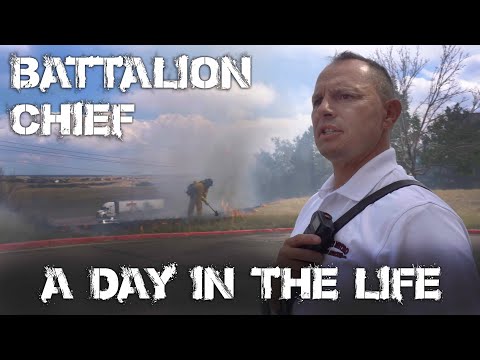
Photo: Intermountain Region US Forest Service (Public domain)
Job description
On a call, this means positioning firefighters strategically to maximize rescue efforts and the effective use of extinguishing agents, then stepping into medical care or rescue work personally when needed. Back at the station, duties shift toward instructing crews on firefighting, hazardous-materials response, and fire prevention, plus overseeing maintenance and evaluating firefighter performance. The role blends split-second emergency leadership with administrative responsibility for personnel decisions, and it's a path almost everyone reaches only after years working as a firefighter first.
Pros
- High upside earning potential, up to $140,010 without needing a four-year degree
- Faster than average projected job growth (3.4% over the next decade)
- Meaningful leadership role directing life-saving emergency response and training
Cons
- Above-average hours, expect more than a standard 40-hour work week
- Regular exposure to hazardous conditions, heights, and physically dangerous emergencies
- Mistakes can have serious consequences, adding real weight to fast, independent decisions
A typical day
The captain's day starts like every firefighter's — rig check and station duties — but the clipboard is heavier: today's training plan, two performance reviews, and a staffing hole in next week's schedule. On calls the captain is the incident commander until chiefs arrive, sizing up a smoking kitchen from the front seat and giving assignments before the engine stops rolling. Between calls there is a public school visit to lead and a probationary firefighter's evaluation to write honestly. At the 2 a.m. structure fire, the captain's voice on the radio is the calmest one on the fireground — that calm is the job description.
Tasks at the job
- Assign firefighters to jobs at strategic locations to facilitate rescue of persons and maximize application of extinguishing agents.
- Provide emergency medical services as required, and perform light to heavy rescue functions at emergencies.
- Instruct and drill fire department personnel in assigned duties, including firefighting, medical care, hazardous materials response, fire prevention, and related subjects.
- Direct firefighters in station maintenance duties, and participate in these duties.
- Recommend personnel actions related to disciplinary procedures, performance, leaves of absence, and grievances.
- Evaluate the performance of assigned firefighting personnel.
Workplace & working conditions
Work happens primarily outdoors, exposed to whatever the weather is doing, and you work in close physical proximity to coworkers or the public for much of the shift. Noise levels can be distracting or uncomfortable. The role involves regular exposure to hazardous equipment or conditions and contaminants and working at heights, and specialized protective equipment is standard.
There's a regular, moderate amount of time pressure, and you're expected to exercise significant independent judgment day to day. Mistakes can have serious consequences, so accuracy matters a lot, and the work is highly structured, following set procedures. You'll regularly deal with frustrated or upset people as part of the job, and almost all of the work is done as part of a team.
Education necessary or common
Vocational training, apprenticeship, or associate's degree
Licenses & certifications
- Firefighter I/II and EMT/Paramedic (the foundation)
- Fire Officer I/II
- Incident Command System certifications (ICS 100-400)
- Instructor certifications
Career path
Related fields
Courses to take
- Anatomy & Physiology — EMS runs through every fire career
- Chemistry — fire behavior and hazmat
- Physical Education/Weight Training — the physical standard never retires
- Public Speaking — commanding scenes and briefing crews
- English/Composition — reports, evaluations, and training plans
Clubs, activities & competitions
- Fire Explorer or cadet post
- Team sport captaincy — leading peers is the hardest leadership
- HOSA or EMS-adjacent volunteering
- JROTC
First steps you can take now
- Join a Fire Explorer program and aim for a leadership role within it
- Get CPR certified and plan the EMT step
- Train for the CPAT physical test
- Understand the path: firefighter first, then engineer, lieutenant, captain — promotion is earned in years