Photo: National Institute of Standards and Technology (Public domain)
Job description
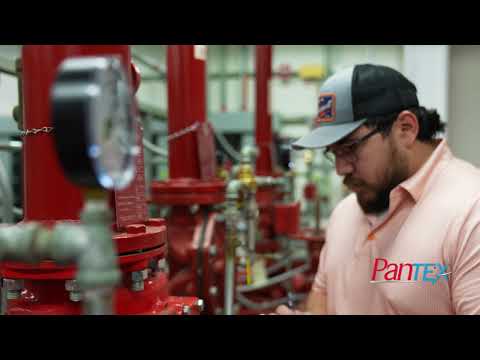
Engineers review building designs or existing structures for fire risks, then specify detection systems, alarms, and extinguishing equipment to address whatever they find. Much of the job is advisory: consulting with architects and local authorities during the design phase, writing reports on code compliance, and recommending changes when a design falls short. After a system is specified, engineers often follow through by directing its installation, testing, and ongoing maintenance, so the role blends technical design work with a regulatory advising function.
Pros
- High upside earning potential, up to $171k
- Faster than average projected growth (4.4%)
- Meaningful public-safety impact designing systems that protect life and property from fire
Cons
- Very small field nationally (about 1,500 jobs), so openings may be geographically limited
- Above-average hours, expect more than a standard 40-hour work week
- Requires staying current on constantly evolving fire codes and regulations
A typical day
Morning is spent in a model: running an egress simulation for a stadium renovation to prove the concourse can clear in the required time, then adjusting exit widths until it does. At 11 the engineer joins a design meeting with architects, negotiating where smoke barriers and rated walls go before the drawings harden. The afternoon includes a site visit to a hospital under construction — verifying sprinkler head placement and firestopping match the approved plans — and a performance-based design memo for an atrium the prescriptive code never imagined. It is engineering where the failure mode is measured in lives, and the calculations are treated accordingly.
Tasks at the job
- Advise architects, builders, and other construction personnel on fire prevention equipment and techniques and on fire code and standard interpretation and compliance.
- Inspect buildings or building designs to determine fire protection system requirements and potential problems in areas such as water supplies, exit locations, and construction materials.
- Design fire detection equipment, alarm systems, and fire extinguishing devices and systems.
- Prepare and write reports detailing specific fire prevention and protection issues, such as work performed, revised codes or standards, and proposed review schedules.
- Consult with authorities to discuss safety regulations and to recommend changes as necessary.
- Direct the purchase, modification, installation, testing, maintenance, and operation of fire prevention and protection systems.
Workplace & working conditions
Work happens indoors in a climate-controlled setting, and most of the day is spent sitting at a desk.
There's a regular, moderate amount of time pressure, and you're expected to exercise significant independent judgment day to day.
Education necessary or common
Bachelor's degree
Common college majors
Licenses & certifications
- FE exam, then PE license in Fire Protection Engineering
- NICET certifications for the technician-side route
Career path
Related fields
Courses to take
- AP Physics — fire dynamics, fluid flow, and heat transfer
- AP Calculus BC — the engineering math sequence
- AP Chemistry — combustion science
- AP Computer Science Principles — modeling tools are the daily instrument
- Drafting/CAD — you will live inside building drawings
Clubs, activities & competitions
- FIRST Robotics or TSA — engineering design practice
- Fire Explorer post — understanding the operational side is a real advantage
- Science Olympiad physics events
- Science fair with a fire science angle (safe, supervised)
First steps you can take now
- Look up fire protection engineering programs — only a handful of universities offer the major (Maryland and WPI are the flagships) and they heavily recruit
- Watch an NFPA or SFPE webinar on how a famous fire changed building codes
- Trace your school's own egress plan and sprinkler layout with new eyes
- Interview a fire protection engineer — SFPE chapters will connect students