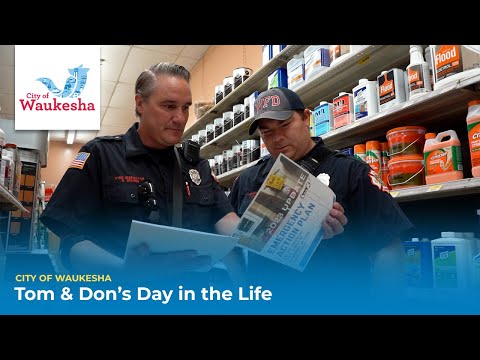
Photo: YI KON, Lead Fire Inspector of OSAN Air Base Fire Emergency (Public domain)
Job description
Much of the job happens on-site: checking for hazards like blocked exits, faulty wiring, or improperly stored combustibles, then following up to confirm violations actually get corrected. After each inspection, inspectors write detailed reports documenting what they found and what needs to change, and they may also review or develop a property's fire exit plans. Some in the role specialize further into investigation, gathering evidence at the scene of an actual fire to determine its cause, which can mean testifying about those findings later.
Pros
- Strong pay ceiling (up to $119k) reachable with vocational training or an associate's degree
- Faster than average projected growth (3.8%) in a specialized public-safety niche
- Varied work mixing field inspections, hands-on testing, and detailed report writing
Cons
- Only about 1,500 positions nationwide, so opportunities may be geographically limited
- Precision and accuracy are essential, since missed violations can have serious safety consequences
- Regularly dealing with frustrated property owners while enforcing code compliance
A typical day
Inspection days start with a route: three businesses due for their annual fire inspection, and at the first — a restaurant — the inspector checks exits, extinguisher tags, and hood suppression, writing up a blocked back door on the spot. The afternoon flips to the investigation side of the badge: a garage fire from last night, where the inspector photographs burn patterns, digs through debris at the point of lowest burn, and interviews the homeowner about what was plugged in where. Evidence gets bagged and logged, the origin-and-cause report gets drafted, and the fire is ruled accidental — this time. Both halves of the job feed the same mission: fewer fires next year.
Tasks at the job
- Conduct inspections and acceptance testing of newly installed fire protection systems.
- Inspect buildings to locate hazardous conditions and fire code violations, such as accumulations of combustible material, electrical wiring problems, and inadequate or non-functional fire exits.
- Conduct fire code compliance follow-ups to ensure that corrective actions have been taken in cases where violations were found.
- Write detailed reports of fire inspections performed, fire code violations observed, and corrective recommendations offered.
- Identify corrective actions necessary to bring properties into compliance with applicable fire codes, laws, regulations, and standards, and explain these measures to property owners or their representatives.
- Develop or review fire exit plans.
Workplace & working conditions
Work happens mostly inside a vehicle or piece of equipment. Noise levels can be distracting or uncomfortable. The role involves regular exposure to contaminants, and standard protective equipment (gloves, safety glasses, and similar) is expected.
There's a regular, moderate amount of time pressure, and you're expected to exercise significant independent judgment day to day. Precision and accuracy are essential to the work, and the work is highly structured, following set procedures. You'll regularly deal with frustrated or upset people as part of the job.
Education necessary or common
Vocational training, apprenticeship, or associate's degree
Common college majors
Licenses & certifications
- Firefighter I/II (common foundation)
- Fire Inspector I certification (NFPA 1031-based)
- Fire Investigator certification (NFPA 1033-based)
- State code enforcement credentials
Career path
Related fields
Courses to take
- Chemistry — combustion, accelerants, and burn behavior are chemistry
- Physics — heat transfer and fire dynamics
- AP Psychology — interviewing witnesses and reading people
- English/Composition — reports that hold up in court
- Government/Civics — codes and enforcement authority
Clubs, activities & competitions
- Fire Explorer post — many departments run them for teens
- SkillsUSA firefighting programs where offered
- Science Olympiad forensics or chemistry events
- Volunteer with your fire department's community education events
First steps you can take now
- Join a Fire Explorer or cadet program at your local department
- Ride along with a fire prevention bureau if your department allows it
- Read NFPA's free public education materials on how fires start
- Take chemistry seriously — it is the technical spine of the work