Photo: West Midlands Police from West Midlands, United Kingdom (CC BY-SA 2.0)
Job description
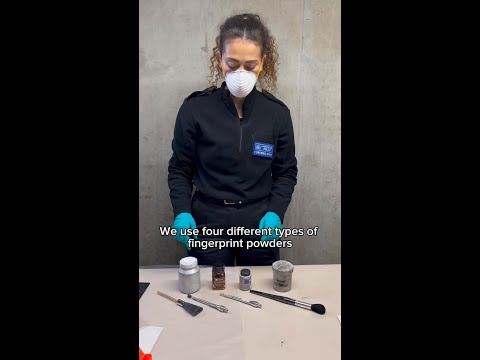
A typical case starts at the crime scene, dusting for latent fingerprints and photographing physical evidence, then moves to carefully logging, packaging, and transferring that evidence to a lab or court officials while preserving chain of custody. Officers coordinate with detectives and other law enforcement staff to make sure collected evidence supports an active investigation, and they're periodically called into court to testify about how evidence was gathered and handled. Some specialize further into forensic photography, fingerprint classification, or crime lab analysis as they gain experience.
Pros
- High upside earning potential, up to $161k, without requiring a four-year degree
- Vocational training or associate's degree is the entry credential, not a bachelor's
- Varied work mixing crime scene fieldwork, lab analysis, and courtroom testimony
Cons
- Above-average hours, more than a standard 40-hour work week
- Job growth projected to shrink slightly (-0.7%) over the next decade
- Mistakes in evidence handling can have serious legal consequences, adding accuracy pressure
A typical day
The day might start in the office, running fingerprint comparisons through AFIS and writing up examination notes on a burglary case — then a call pulls the officer to a scene, where the next three hours are photographs, sketches, lifted prints, and swabs, all logged into a chain of custody that has to survive a defense attorney's scrutiny. Back at the station, evidence gets packaged and submitted to the lab, and case files get updated with what was found and where. Some afternoons are spent testifying in court, walking a jury through exactly how a print was lifted and matched. Precision and documentation fill the hours that TV shows skip.
Tasks at the job
- Maintain records of evidence and write and review reports.
- Package, store and retrieve evidence.
- Submit evidence to supervisors, crime labs, or court officials for legal proceedings.
- Dust selected areas of crime scene and lift latent fingerprints, adhering to proper preservation procedures.
- Serve as technical advisor and coordinate with other law enforcement workers or legal personnel to exchange information on crime scene collection activities.
- Testify in court and present evidence.
Workplace & working conditions
Work happens indoors in a climate-controlled setting, and you work in close physical proximity to coworkers or the public for much of the shift. Noise levels can be distracting or uncomfortable. The role involves regular exposure to hazardous equipment or conditions and contaminants, and standard protective equipment (gloves, safety glasses, and similar) is expected.
There's a regular, moderate amount of time pressure, and you're expected to exercise significant independent judgment day to day. Mistakes can have serious consequences, so accuracy matters a lot, and the work is highly structured, following set procedures. You'll regularly deal with frustrated or upset people as part of the job, and almost all of the work is done as part of a team.
Education necessary or common
Vocational training, apprenticeship, or associate's degree
Common college majors
Licenses & certifications
- State POST certification (for sworn positions)
- IAI Certified Latent Print Examiner (career goal)
- IAI Crime Scene Certification
Career path
Related fields
Courses to take
- Chemistry — fingerprint development and evidence processing are chemistry in practice
- AP Biology — DNA evidence basics and biological material handling
- Photography — crime scene photography is a core, daily skill
- English — reports and court testimony demand precise writing
- Statistics — understanding match probability and evidence strength
Clubs, activities & competitions
- Police Explorers (Learning for Life)
- Science Olympiad — forensics events exist at many levels
- Photography club — composition and technical camera skills
- HOSA or science fair projects with a forensic angle
First steps you can take now
- Take a forensic science elective or free online intro course this semester
- Do a ride-along or tour your police department's records/ID unit
- Practice evidence-style photography: document a 'scene' with scale references and a photo log
- Interview a crime scene technician about the certification path in your state