Photo: Asikironalio (CC BY 4.0)
Job description
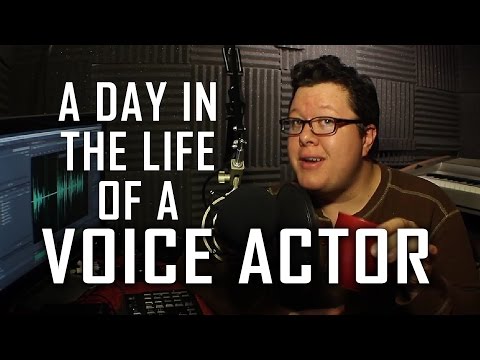
Landing work starts with auditions, recording and submitting sample reads before ever booking a job, and most voice actors piece together income from many short gigs rather than one steady role. Sessions happen in a soundproof booth, often alone except for a director on a monitor or phone line, repeating the same lines with subtle variations until the take feels right. Between bookings, actors self-produce auditions on home recording equipment and work to maintain the vocal health needed for a demanding, unpredictable schedule.
Pros
- High upside earning potential, up to $150k
- No formal degree required, and work happens in a controlled studio or home booth
- Variety of project types, animation, games, commercials, and audiobooks, in a single career
Cons
- Entry-level pay can be quite low, and work is typically project-based and inconsistent
- Most voice actors piece together income across many short gigs rather than one steady role
- Sessions demand repeating the same lines many times until a director is satisfied
A typical day
The day starts in the home booth at 9am with vocal warmups, then a self-directed audition block: four scripts downloaded overnight -- a video game grunt session, a commercial needing "warm but not sleepy," an audiobook sample -- each recorded, edited, and submitted before lunch. Midday brings a live directed session over the internet, taking direction in real time ("brighter, less smile") for a client three time zones away. The afternoon is the unglamorous half: editing a chapter of audiobook narration, invoicing, and marketing emails to production houses. Vocal rest is scheduled like a shift, because the instrument has no backup.
Tasks at the job
- Audition for roles by recording and submitting sample readings of a script.
- Interpret scripts to bring characters or narration to life through voice alone.
- Record dialogue or narration in a sound booth, often in isolated takes and retakes.
- Take direction in real time from directors or producers during a session.
- Maintain vocal health and range to sustain a demanding recording schedule.
- Self-produce auditions using home recording equipment between booked jobs.
Workplace & working conditions
Work happens indoors in a soundproof recording booth, either at a studio or a home setup, often alone except for a director on a monitor or phone line.
Work is typically project-based and inconsistent, with periods of steady bookings followed by dry spells. Sessions demand repeating the same lines many times with subtle variations until a director is satisfied.
Education necessary or common
No formal degree required, though voice and acting training is common; a professional home recording setup is often expected
Related fields
Courses to take
- Theater -- acting is the skill; the microphone just moves it closer
- English or AP Literature -- script interpretation and cold reading
- Music or choir -- breath control and pitch awareness
- Audio production or media electives -- home-studio skills are mandatory now
- Public speaking
Clubs, activities & competitions
- School theater and improv -- range and direction-taking
- Morning announcements -- microphone reps daily
- Start a narration or character-voice channel or podcast
- Speech and debate interpretation events
First steps you can take now
- Record yourself reading one commercial script and one book page, then critique honestly
- Learn free audio editing in Audacity and treat a closet as a starter booth
- Take an acting class -- voice acting fails without acting
- Listen to working voice actors' demos and study what 30 seconds must prove