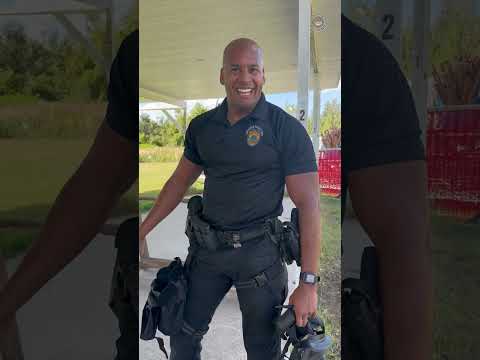
Photo: Office of Public Affairs (CC BY 2.0)
Job description
Day-to-day readiness means drilling in firearms, breaching techniques, and team movement so the group can act as one unit when a real call comes in, whether that's clearing a building room by room or negotiating a standoff with a barricaded suspect. Officers also operate specialized gear like armored vehicles and less-lethal weapons, and provide security for high-profile events or credible threats between call-outs. For most officers this is a secondary assignment layered on top of regular patrol or investigative work, and call-outs can happen at any hour, demanding total trust in teammates built through constant training.
Pros
- Pay reaches $100k for a specialized tactical role built on patrol experience
- Intensive, ongoing training builds deep trust and coordination with a tight-knit team
- Handles a department's highest-stakes calls, offering a clear sense of purpose
Cons
- Operations can turn lethal in seconds, demanding split-second high-stakes decisions
- Unpredictable call-outs at any hour on top of a demanding regular patrol schedule
- Requires a competitive selection process after years already spent as a patrol officer
A typical day
The day starts at 6am in the gym, because SWAT fitness standards are tested, not assumed. The morning is training -- today it's breaching drills and room-clearing repetitions until the team's movement is wordless, followed by range time with accountability for every round. The afternoon shifts to warrant planning: studying a target house's layout, assigning roles, and rehearsing contingencies for the high-risk arrest scheduled for dawn tomorrow. Most days end without a callout, but the pager decides that, and when it goes off the whole day's discipline is the thing that keeps everyone alive.
Tasks at the job
- Execute high-risk warrant service, hostage rescue, and active-shooter response as part of a tactical team.
- Conduct room-by-room building clearances using specialized tactics and equipment.
- Train regularly in firearms, breaching, and team movement to maintain certification and readiness.
- Plan tactical approaches to barricaded suspects or armed standoffs alongside negotiators and command staff.
- Operate specialized equipment such as armored vehicles, breaching tools, and less-lethal weapons.
- Provide security and rapid response for high-profile events or credible threats.
Workplace & working conditions
Work covers a mix of intensive training facilities and real-world scenes -- residences, businesses, or public spaces -- during active operations.
Operations are high-stakes and can turn lethal in seconds, demanding split-second decisions and total trust in teammates built through constant drilling. Call-outs are unpredictable and can happen at any hour, on top of a physically demanding standard patrol or training schedule.
Education necessary or common
Standard police academy training and several years as a patrol officer, followed by a competitive SWAT selection and training process
Licenses & certifications
- State POST law-enforcement certification
- TCCC/first-responder medical training
- CPR/First Aid
Career path
Related fields
Courses to take
- Physical education and weight training -- selection begins with fitness
- AP Psychology -- crisis behavior and de-escalation
- Health/first aid -- tactical medicine saves teammates
- AP US Government -- constitutional limits define lawful policing
- Spanish or another community language -- communication is a tactical asset
Clubs, activities & competitions
- Police explorers or cadet program -- the direct pipeline into law enforcement
- Wrestling, football, or other demanding team sports
- JROTC -- discipline and small-team leadership
- First aid/CPR certification and practice
First steps you can take now
- Join a police explorer post -- most departments run one for teens
- Build a consistent strength and conditioning routine now
- Do a ride-along with your local department when age-eligible
- Map the honest path: academy, years on patrol, then competitive SWAT selection