Photo: Shadychiri (CC BY-SA 4.0)
Job description
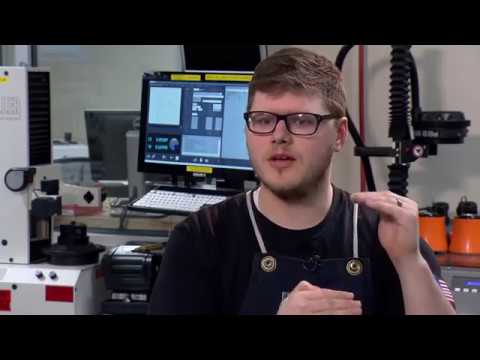
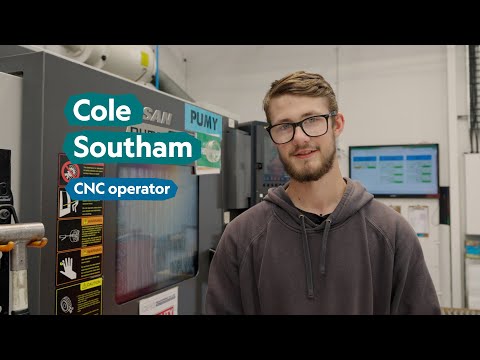
Operators start by reviewing blueprints or program specifications to determine how the machine should be set up and what dimensions the finished piece needs, then mount and secure the workpiece and tooling before running the program. While the machine runs, they listen for warning signs, like the sound of a dull cutting tool or unusual vibration, and adjust as needed, then measure the finished piece with precision instruments to confirm it matches spec. Operators also update programs and enter new specifications directly on the machine's computer as jobs change. It's a hands-on, standing job around noise and machinery, with protective equipment standard and real time pressure to hit production deadlines, though the number of these positions has been declining in recent years.
Pros
- Blends traditional machining with computer programming skills, a modern manufacturing niche
- Accessible entry with just a high school diploma and on-the-job training
- Climate-controlled indoor shop environment with precision, skilled work
Cons
- Employment projected to shrink by 10.7% over the next decade
- Above-average hours, often exceeding a standard 40-hour work week
- Regular exposure to hazardous equipment and industrial noise
A typical day
The shift starts at the machine with a setup sheet: today's run is 400 aluminum brackets, so the operator loads the program, mounts the fixture, sets tool offsets, and cuts a first article. That first part goes straight to inspection — calipers and micrometers against the blueprint, because a thousandth of an inch off means scrap. Once dialed in, the run settles into rhythm: load stock, cycle start, deburr the finished part, measure every tenth piece, listen for the sound of a tool going dull. A broken end mill mid-afternoon means a tool change and re-touch-off. Good operators are already halfway to programmers — reading the G-code to understand why the machine does what it does.
Tasks at the job
- Measure dimensions of finished workpieces to ensure conformance to specifications, using precision measuring instruments, templates, and fixtures.
- Mount, install, align, and secure tools, attachments, fixtures, and workpieces on machines, using hand tools and precision measuring instruments.
- Review program specifications or blueprints to determine and set machine operations and sequencing, finished workpiece dimensions, or numerical control sequences.
- Stop machines to remove finished workpieces or to change tooling, setup, or workpiece placement, according to required machining sequences.
- Listen to machines during operation to detect sounds such as those made by dull cutting tools or excessive vibration, and adjust machines to compensate for problems.
- Implement changes to machine programs, and enter new specifications, using computers.
Workplace & working conditions
Work happens indoors in a climate-controlled setting, and most of the day is spent on your feet. Noise levels can be distracting or uncomfortable. The role involves regular exposure to hazardous equipment or conditions and contaminants, and standard protective equipment (gloves, safety glasses, and similar) is expected.
The pace is often fast, with real time pressure to meet deadlines, and you're expected to exercise significant independent judgment day to day. Precision and accuracy are essential to the work.
Education necessary or common
High school diploma; some on-the-job training or apprenticeship
Licenses & certifications
- NIMS machining credentials
- OSHA 10
- Community college CNC certificate programs
Career path
Related fields
Courses to take
- Geometry — blueprints, tolerances, and coordinates are the job's language
- Machine Shop/Manufacturing Tech — direct hands-on preparation
- Algebra — offsets, feeds, and speeds
- Drafting/CAD — reading prints is mandatory; making them is a promotion
- Physics — cutting forces and material behavior
Clubs, activities & competitions
- SkillsUSA — precision machining is a flagship competition
- FIRST Robotics — many teams machine their own parts
- TSA manufacturing events
- Part-time work at a local machine or fab shop
First steps you can take now
- Take your school's machine shop class, or find one at a community college open to teens
- Learn to read a caliper and micrometer accurately
- Watch CNC machining videos and learn the difference between a mill and a lathe
- Visit a local machine shop — many will give an interested student a tour