Photo: David English (CC BY-SA 4.0)
Job description
Before running a job, operators study blueprints to determine tooling, material, and sequencing, then set cutting speeds, depths, and feed rates on the machine to match. While the lathe runs, they check sample workpieces against specifications using gauges and micrometers, and compute any dimensions not explicitly given using shop math and knowledge of how different metals and plastics behave under the tool. Most of this work happens in machine shops or manufacturing plants, standing at the machine in a noisy but climate-controlled setting, and skilled operators can advance into CNC programming or tool-and-die work as they gain experience.
Pros
- Accessible entry with just a high school diploma and on-the-job training
- Precise, technical machine work using math and blueprint-reading skills daily
- Climate-controlled indoor shop environment
Cons
- Employment projected to shrink sharply, by 13.6%, over the next decade
- Only about 1,500 positions nationwide, so opportunities are geographically limited
- Repetitive machine-tending work that requires sustained attention to avoid costly errors
A typical day
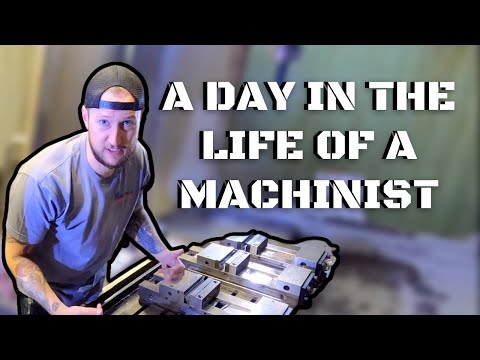
The job traveler calls for two hundred stainless shafts, and setup is the morning's craft: chucking stock, loading the program, setting tool offsets, and cutting a first article that gets measured completely — diameter, length, threads, finish — before the run begins. Once production starts, the operator's attention splits: listening to the cut (chatter means trouble), checking parts against limits every twenty pieces, and adjusting for tool wear in increments of a thousandth. A tool change mid-morning gets handled without drama. After lunch comes a changeover to a short-run job on the manual lathe — the older skill that separates machinists from button-pushers — turning a repair part to a micrometer's judgment. Chips get cleared, coolant topped off, and the day's parts counted, inspected, and moved on: metal made precise, twice an hour, all shift.
Tasks at the job
- Adjust machine controls and change tool settings to keep dimensions within specified tolerances.
- Move controls to set cutting speeds and depths and feed rates, and to position tools in relation to workpieces.
- Study blueprints, layouts or charts, and job orders for information on specifications and tooling instructions, and to determine material requirements and operational sequences.
- Inspect sample workpieces to verify conformance with specifications, using instruments such as gauges, micrometers, and dial indicators.
- Move toolholders manually or by turning handwheels, or engage automatic feeding mechanisms to feed tools to and along workpieces.
- Compute unspecified dimensions and machine settings, using knowledge of metal properties and shop mathematics.
Workplace & working conditions
Work happens indoors in a climate-controlled setting, and most of the day is spent on your feet. Noise levels can be distracting or uncomfortable. Standard safety equipment like gloves or safety glasses is commonly worn.
Education necessary or common
High school diploma; some on-the-job training or apprenticeship
Licenses & certifications
- NIMS Machining Level I credentials — the industry standard
- OSHA 10-Hour General Industry
- CNC operation certificates from community colleges
Career path
Related fields
Courses to take
- Machine Tool Technology or Metal Shop — the direct craft
- Geometry and Algebra II — dimensions, tolerances, and feeds/speeds math
- Blueprint Reading or Drafting — the part exists on paper first
- Physics — cutting forces, materials, and heat
- Computer Applications — CNC programs and shop software
Clubs, activities & competitions
- SkillsUSA — CNC and precision machining competitions
- FIRST Robotics — parts fabrication experience
- Metalworking as a hobby — a mini lathe teaches real skills
- Part-time machine shop work — shops hire helpers who show up
First steps you can take now
- Visit a machine shop and watch a lathe setup start to finish
- Learn to read a micrometer and calipers accurately
- Enroll in a machining program at your school or career center
- Watch manual lathe turning videos and learn the vocabulary: chuck, tailstock, carriage, tool post