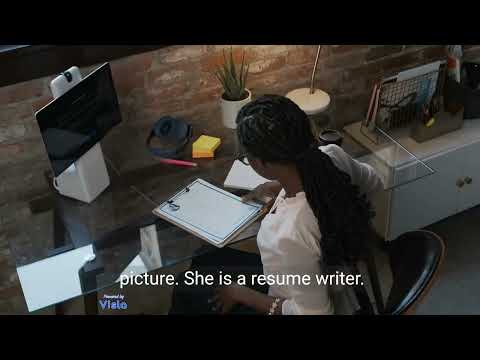
Photo: Shixart1985 (CC BY 2.0)
Job description
The process usually starts with a conversation about the client's background, accomplishments, and career goals, since many clients undersell their own experience and need help drawing out the details that actually stand out. From there, the writer drafts and formats resumes and cover letters, rewriting vague job descriptions into concrete, results-oriented statements, and often optimizes the formatting so it passes automated applicant-tracking-system screening. Work is typically freelance or small-business based, done remotely by phone, video, or email, and often bundled with broader career coaching or LinkedIn profile help.
Pros
- No formal degree required, entry is accessible with strong writing skill and an optional certification
- Flexible, self-paced schedule with a below-standard 25-45 hour range that suits part-time or freelance work
- Directly helps clients land jobs, giving concrete, visible impact on each project
Cons
- Pay tops out around $90k, capped by how many clients a single writer can take on
- Work is paced against clients' job-application deadlines, which the writer doesn't control
- Requires drawing real accomplishments out of clients who often undersell their own experience
A typical day
The first client call of the morning is an intake interview — an engineer with fifteen years of experience who describes his work as 'just doing my job,' and the writer's craft is excavation: what changed because you were there? Numbers, scale, outcomes. The late morning is writing time: transforming a career-changer's scattered history into a coherent narrative targeted at the job posting's actual language, mindful of the applicant-tracking software that reads it before any human. The afternoon holds a draft review call where the client's feedback sharpens the story, a LinkedIn profile rewrite, and marketing the practice itself — most resume writers are solo businesses built on referrals and reviews. Every client is a puzzle of positioning.
Tasks at the job
- Interview clients about their work history, accomplishments, and career goals.
- Draft and format resumes and cover letters tailored to specific roles or industries.
- Rewrite vague job descriptions into concrete, results-oriented accomplishment statements.
- Optimize resume content and formatting to pass applicant-tracking-system screening.
- Revise drafts based on client feedback until the document is approved.
- Advise clients on LinkedIn profiles or portfolio materials that complement the resume.
Workplace & working conditions
Work happens mostly at a desk or computer, communicating with clients by phone, video call, or email rather than in person.
The work is self-paced against client deadlines, often job-application deadlines the client didn't set. Extracting real accomplishments from a client who undersells their own experience is a routine part of the job.
Education necessary or common
No formal degree required; certification through a professional resume-writing association exists and helps with credibility
Licenses & certifications
- CPRW (Certified Professional Resume Writer)
- NCRW (Nationally Certified Resume Writer)
Related fields
Courses to take
- AP English Language — persuasive, concise writing is the product
- Business — clients, pricing, and marketing yourself
- Psychology — interviewing clients well is half the skill
- Computer Applications — formatting, ATS literacy, LinkedIn
Clubs, activities & competitions
- School newspaper — editing and interviewing practice
- FBLA or DECA — business communication events
- Peer tutoring in writing
- National Honor Society — service that can include resume help drives
First steps you can take now
- Write three resumes free — a parent, a teacher changing roles, a friend's college application resume
- Study 10 job postings and learn to mirror their keywords honestly
- Read what applicant tracking systems actually parse and format for it
- Build one before/after sample that shows your editing power