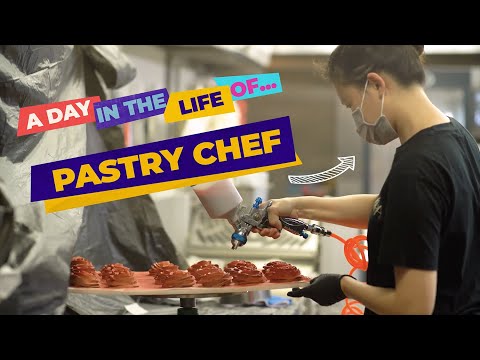
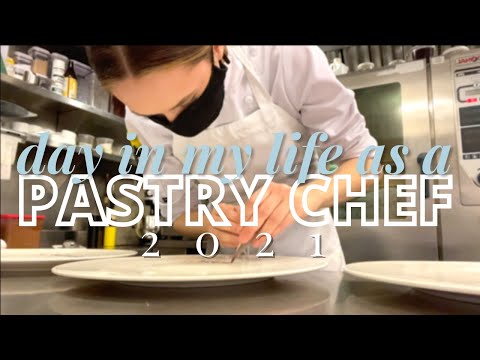
Photo: U.S. Navy photo by Chief Mass Communication Specialist John Harrington (Public domain)
Job description
Pastry chefs develop dessert menus, execute recipes to precise technical standards, and manage a pastry station's staff, ingredients, and timing. The workday tends to start very early, with long stretches standing near hot ovens and walk-in coolers to keep batches moving before service or opening. Because baking chemistry leaves little room for improvisation, precise measurement matters here more than in most other kitchen roles, and specialty work like wedding cakes or dietary-restriction substitutions rounds out the job.
Pros
- No formal degree strictly required, though culinary school offers a faster path in
- Pay can reach $90k while managing a station's staff and ingredients
- Specialized craft with room to build a personal reputation for cakes and desserts
Cons
- Above-average hours, often exceeding a standard 40-hour work week, with very early starts
- Standing for long stretches near hot ovens is physically demanding
- Tight, unforgiving production timelines leave little room for error in baking chemistry
A typical day
The bakery day starts at 5am with lamination: yesterday's croissant dough gets its final folds and rests while the ovens warm, and by 6:30 the first bake fills the kitchen with the smell that never gets old. Morning production runs on a strict sheet — three cake bases, two hundred macaron shells piped in disciplined rows, and the danish for tomorrow shaped and retarded. Precision is the craft's spine: grams, temperatures, and times, because pastry punishes improvisation that savory cooking forgives. Midday brings the creative block — a wedding-cake tasting box assembled, a new plated dessert for the restaurant menu tested twice and photographed. The afternoon is mise en place for tomorrow, an inventory order, and teaching the junior baker to read dough by feel, the skill sheets can't hold. The day ends at 2pm, started before dawn — pastry chefs own the morning and surrender the night shift to sleep.
Tasks at the job
- Design and prepare desserts, breads, and pastries following recipes or original creations.
- Bake in batches on a strict production schedule to have items ready for service or opening.
- Manage inventory of flour, sugar, dairy, and other perishable ingredients.
- Train and supervise pastry cooks, assigning stations and reviewing finished products for quality.
- Decorate cakes and desserts for special orders, weddings, or events.
- Adjust recipes for dietary restrictions such as gluten-free or vegan requests.
Workplace & working conditions
Work happens in a commercial kitchen or dedicated pastry area, often starting very early in the morning, standing for long stretches near hot ovens and walk-in coolers.
Production runs on tight, unforgiving timelines -- dough and batter don't wait -- and precise measurement matters more here than in most cooking roles, since baking chemistry leaves little room for improvisation.
Education necessary or common
No formal degree required, though culinary school with a pastry specialization is common
Licenses & certifications
- Food handler's/ServSafe certification
- Certified Pastry Culinarian (CPC, American Culinary Federation — career step)
Career path
Related fields
Courses to take
- Culinary Arts CTE courses — technique, sanitation, and kitchen discipline
- Chemistry — baking is edible chemistry; gluten, leavening, and sugar work by rules
- Algebra — scaling recipes and bakers' percentages
- Art — plating, piping, and finish are visual craft
- Business Math — food cost and pricing
Clubs, activities & competitions
- ProStart culinary program and competitions
- FCCLA — culinary and baking events
- Bake seriously at home: master one item (croissants, macarons) through twenty iterations
- Farmers market or bake-sale selling — production plus customer feedback
First steps you can take now
- Bake the same recipe five times this month, changing one variable each time and taking notes — that's pastry training in miniature
- Get a food handler's card
- Ask a local bakery about early-morning helper or counter jobs — proximity to the ovens is the education
- Compare culinary school pastry programs against the apprenticeship route; both work, and bakers debate them endlessly