Photo: TreeMinion15 (CC BY-SA 4.0)
Job description
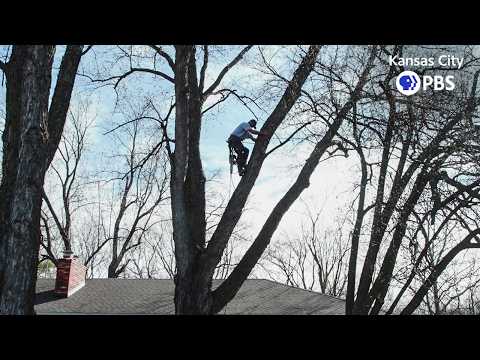
Inspections look for storm damage, disease, pests, or structural weakness that could make a tree dangerous, and the fix might be anything from routine pruning to fully removing a tree using chainsaws, rigging, and climbing or bucket-truck techniques. Arborists also apply treatments like fertilization or pest control to keep healthy trees healthy, and a job often ends with chipping and hauling away all the resulting debris. The work happens outdoors in nearly all weather, frequently high off the ground in a canopy or lift bucket, which makes fall and equipment hazards a real and constant risk. No formal degree is required, but the ISA Certified Arborist credential is the field's standard recognized qualification.
Pros
- Pay reaches up to $90k with an ISA certification rather than a college degree
- Active, hands-on outdoor work climbing trees and operating aerial lifts
- Steady demand from homeowners, municipalities, and utilities that all need tree care
Cons
- Above-average hours are common, often exceeding a standard 40-hour work week
- Real fall and equipment hazards come with working high in tree canopies
- Physically demanding work, especially urgent storm-damage removal jobs under time pressure
A typical day
The crew loads at 7: ropes, saddles, saws sharpened, chipper hitched. First job is a big removal — a storm-cracked oak leaning over a garage — and the climber ascends on rope, pieces the canopy down in controlled cuts with rigging taking each limb's weight, while the ground crew feeds the chipper in a rhythm that never puts a body where wood will swing. The afternoon is finer work: structural pruning on a young street-tree contract, where cuts made today decide the tree's next forty years, and a consultation diagnosing a decline that turns out to be root compaction, not disease. Physical, aerial, and quietly scientific.
Tasks at the job
- Inspect trees for disease, storm damage, structural weakness, or pest infestation.
- Climb trees or operate aerial lifts to prune, cable, or remove limbs and canopy.
- Fell or section large trees safely using chainsaws and rigging equipment.
- Apply treatments such as fertilization or pest control to improve tree health.
- Chip and haul away removed branches, limbs, and debris from job sites.
- Advise property owners or municipalities on tree health, risk, and removal needs.
Workplace & working conditions
Work happens outdoors, often high off the ground in tree canopies or aerial lift buckets, in all but the most severe weather.
The work involves real fall and equipment hazards, requiring strict adherence to climbing and rigging safety procedures at all times. Physical stamina is essential, and jobs range from routine pruning to urgent storm-damage removal under time pressure.
Education necessary or common
No formal degree required; ISA Certified Arborist credential is the standard, widely recognized certification
Licenses & certifications
- ISA Certified Arborist — the field's standard credential
- ISA Tree Worker Climber Specialist
- First Aid/CPR (required on crews)
- Pesticide applicator license (for plant health care work)
Career path
Related fields
Courses to take
- Biology — tree physiology and disease
- AP Environmental Science — urban forests are ecosystems
- Geometry/Physics — rigging forces and felling angles are real math
- Shop — equipment maintenance
- Business — many arborists run their own crews
Clubs, activities & competitions
- FFA forestry contests — tree ID and forestry skills competitions
- Envirothon
- Rock climbing gym or club — rope skills and comfort at height
- 4-H natural resources projects
First steps you can take now
- Learn to identify 20 trees in your neighborhood by leaf and bark
- Take a chainsaw safety course when age allows; until then, master hand-pruning technique on shrubs at home
- Ask a local tree care company about ground-crew summer work at 18 — it's the standard entry
- Study the ISA Certified Arborist exam outline to see the knowledge map of the profession