Photo: TreeMinion15 (CC BY-SA 4.0)
Job description
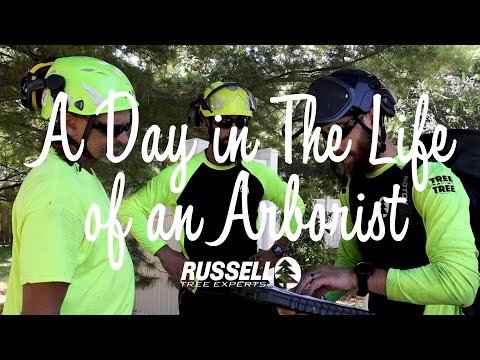
Trimmers use handsaws, pruners, clippers, chainsaws, and power tools to trim, top, and reshape trees, working from climbing hooks and belts, ladders, or truck-mounted bucket lifts to reach the canopy. A lot of the job is about controlling where branches fall: hoisting tools up to whoever's working overhead and lowering cut limbs down with ropes or a block and tackle, then feeding the debris into a chipper. Because this work happens outdoors in all weather, at height, and around power lines and heavy equipment, protective gear is standard and the pace stays deliberate even under time pressure. Keeping tools clean, sharp, and lubricated is routine upkeep between jobs.
Pros
- Pay tops out above $80k, strong for a high-school-diploma-level role
- Faster than average projected job growth (3.3% over the next decade)
- Specialized climbing and rigging skill set that sets it apart from general labor
Cons
- Above-average hours, typically more than a standard 40-hour work week
- Working at heights near power lines with chainsaws carries real physical risk
- Entirely outdoor work with regular exposure to hazardous equipment
A typical day
The crew meets at 7am for a job briefing that starts with the power lines, because every plan on this street bends around staying clear of them. The climber gears up -- saddle, ropes, saw on a lanyard -- and ascends a storm-damaged oak, working top-down so each cut piece can be roped safely to the ground crew. The chipper roars through the morning's brush while the ground team feeds it by the armful. The afternoon's job is precision: a dead limb over a garage, rigged and lowered in sections with control that looks slow and is actually the fastest safe way. Gear inspection ends the day, since ropes hold lives.
Tasks at the job
- Operate shredding and chipping equipment, and feed limbs and brush into the machines.
- Cut away dead and excess branches from trees, or clear branches around power lines, using climbing equipment or buckets of extended truck booms, or chainsaws, hooks, handsaws, shears, and clippers.
- Clean, sharpen, and lubricate tools and equipment.
- Hoist tools and equipment to tree trimmers, and lower branches with ropes or block and tackle.
- Climb trees, using climbing hooks and belts, or climb ladders to gain access to work areas.
- Trim, top, and reshape trees to achieve attractive shapes or to remove low-hanging branches.
Workplace & working conditions
Work happens primarily outdoors, exposed to whatever the weather is doing, and most of the day is spent on your feet. Noise levels can be distracting or uncomfortable. The role involves regular exposure to hazardous equipment or conditions and contaminants and working at heights, and standard protective equipment (gloves, safety glasses, and similar) is expected.
There's a regular, moderate amount of time pressure, and you're expected to exercise significant independent judgment day to day. The work is highly structured, following set procedures.
Education necessary or common
High school diploma; some on-the-job training or apprenticeship
Licenses & certifications
- ISA Certified Arborist (career-defining, later)
- Chainsaw and aerial rescue safety training
- CPR/First Aid
Career path
Related fields
Courses to take
- Biology -- tree health and species knowledge grow careers here
- Physics -- rigging, loads, and cutting forces
- Physical education -- climbing strength and stamina
- Shop classes -- saw maintenance and equipment care
Clubs, activities & competitions
- Rock climbing -- rope skills and height comfort transfer directly
- FFA or 4-H forestry programs
- Landscaping or yard-work jobs
- Scouting with forestry and safety merit badges
First steps you can take now
- Take the free OSHA 10 course and read up on chainsaw safety basics
- Learn tree identification for your region -- 20 species is a real start
- Try a climbing gym to build rope comfort
- Ask local tree services about ground-crew jobs -- the trade's entry point