Photo: Forest Service Northern Region from Missoula, MT, USA (Public domain)
Job description
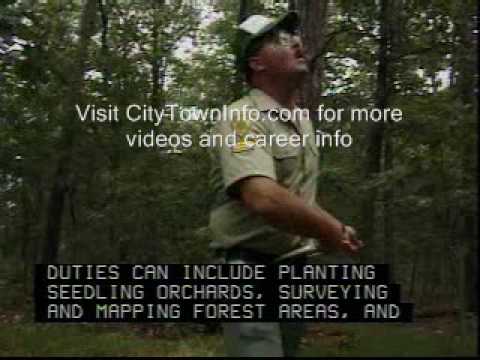
Under a supervisor's direction, the work covers raising and transporting seedlings, combating pests and disease that threaten plant life, and building structures that control erosion and water flow. Workers also fight forest fires or carry out prescribed burns, constructing fire breaks and clearing brush as directed by fire suppression officers. It's outdoor, weather-exposed work that follows set procedures closely, typically requiring only a high school diploma and some on-the-job training to start.
Pros
- Directly contributes to protecting forests and wildland, a tangible conservation impact
- Accessible entry: high school diploma with on-the-job training, no degree required
- Varied outdoor work, from raising seedlings to fire suppression duty
Cons
- Employment projected to shrink 4.7% over the next decade
- Only about 2,000 positions nationwide, a small and geographically limited field
- Pay tops out around $57,220, and the work includes real fire-line hazards
A typical day
Planting season means production: the crew moves across a clearcut at first light, each worker with a bag of seedlings and a hoedad, planting on a grid — bend, cut, tuck, tamp — hundreds of trees before lunch. Other weeks the work is release thinning with brush saws, invasive blackberry removal along a creek restoration, or building water bars on an eroding trail. Weather is a coworker with moods; rain gear and layers live in every pack. The day ends with tool maintenance and a tally — acres treated, trees in the ground — and the deep sleep of genuinely physical work that will outlive everyone who did it.
Tasks at the job
- Check equipment to ensure that it is operating properly.
- Fight forest fires or perform prescribed burning tasks under the direction of fire suppression officers or forestry technicians.
- Confer with other workers to discuss issues, such as safety, cutting heights, or work needs.
- Perform fire protection or suppression duties, such as constructing fire breaks or disposing of brush.
Workplace & working conditions
Work happens primarily outdoors, exposed to whatever the weather is doing. Noise levels can be distracting or uncomfortable. The role involves regular exposure to hazardous equipment or conditions and contaminants, and standard protective equipment (gloves, safety glasses, and similar) is expected.
You're expected to exercise significant independent judgment day to day. The work is highly structured, following set procedures.
Education necessary or common
High school diploma; some on-the-job training or apprenticeship
Licenses & certifications
- Chainsaw/brush saw safety certification
- Wildland fire quals (S-130/S-190) for fire crew eligibility
- First Aid/CPR
- Pesticide applicator license for spray crews
Related fields
Courses to take
- Biology — plants, soils, and ecosystems
- AP Environmental Science
- Physical Education — the job is athletic, full stop
- Small Engines/Shop — brush saws and pumps
- First Aid/Health — remote worksite readiness
Clubs, activities & competitions
- A conservation corps or trail crew (many take 15-18 year olds in summer)
- Envirothon
- FFA or 4-H forestry projects
- Hiking, backpacking, and real time outdoors
First steps you can take now
- Apply for a youth conservation corps summer crew — the genuine entry door
- Volunteer a workday with a watershed council or land trust this month
- Get comfortable with hand tools and a full day outside in bad weather
- Get First Aid/CPR certified