Photo: USFWS Mountain-Prairie (CC BY 2.0)
Job description
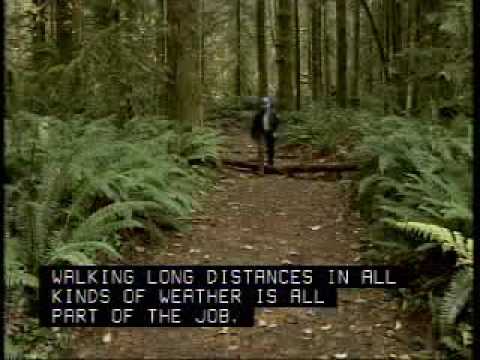
Duties range from thinning trees and clearing undergrowth to mapping forest tracts with digital tools and patrolling park or forest land to prevent damage. Technicians also train and lead seasonal workers on tasks like planting seedlings or fighting forest fires, and they enforce regulations around environmental protection, fire safety, and resource use. It's outdoor work exposed to whatever the weather brings, done mostly under a forester's direction, and it typically requires vocational training or an associate's degree rather than a four-year degree.
Pros
- Enters via vocational training, apprenticeship, or an associate's degree, no four-year degree required
- Outdoor, hands-on fieldwork suits people who don't want a desk job, with real variety from patrols to training crews
- Meaningful independent judgment day to day despite being an entry-level-accessible role
Cons
- Employment in this field is projected to shrink over the next decade (-3.2%)
- Entirely outdoor work means direct exposure to whatever the weather is doing
- Regularly involves dealing with frustrated or upset people while enforcing regulations like fire safety or resource-use rules
A typical day
Cruise day: the technician and a partner run timber plots across a hillside unit — measuring diameters with a d-tape, heights with a clinometer, and logging species and defect into a rugged tablet, plot after plot on a compass line. Lunch happens on a stump with a view no office has. The afternoon shifts to a regeneration survey in last year's harvest unit, counting seedlings per plot and noting deer browse, then flagging a boundary for next month's thinning crew. Back at the truck the data uploads to the forester's GIS, and the technician's boots, covered in three ecosystems' worth of mud, go by the door until tomorrow.
Tasks at the job
- Thin and space trees and control weeds and undergrowth, using manual tools and chemicals, or supervise workers performing these tasks.
- Provide information about, and enforce, regulations, such as those concerning environmental protection, resource utilization, fire safety, and accident prevention.
- Patrol park or forest areas to protect resources and prevent damage.
- Train and lead forest and conservation workers in seasonal activities, such as planting tree seedlings, putting out forest fires, and maintaining recreational facilities.
- Map forest tract data using digital mapping systems.
Workplace & working conditions
Work happens primarily outdoors, exposed to whatever the weather is doing. Noise levels can be distracting or uncomfortable. The role involves regular exposure to contaminants, and standard protective equipment (gloves, safety glasses, and similar) is expected.
There's a regular, moderate amount of time pressure, and you're expected to exercise significant independent judgment day to day. You'll regularly deal with frustrated or upset people as part of the job, and almost all of the work is done as part of a team.
Education necessary or common
Vocational training, apprenticeship, or associate's degree
Common college majors
Licenses & certifications
- Chainsaw safety certification (S-212 or Game of Logging)
- Wildland fire quals (S-130/S-190) open seasonal fire work
- Pesticide applicator license for some roles
- First Aid/CPR
Career path
Related fields
Courses to take
- Biology — tree species, forest health, and wildlife
- AP Environmental Science — management in context
- Geometry and Algebra II — cruising math: areas, volumes, and plots
- Geography/GIS where offered — mapping is half the toolkit
- Small Engines/Shop — saws and field equipment
Clubs, activities & competitions
- FFA forestry career development event — tree ID and cruising, competitively
- Envirothon forestry station
- Scouting — forestry and orienteering merit badges
- Trail crew or conservation corps volunteering
First steps you can take now
- Learn to identify 20 trees in your region by leaf and bark
- Join an Envirothon or FFA forestry team
- Volunteer a trail workday with a land trust or state forest
- Look up forest technology associate programs — many feed straight into agency jobs