Photo: Goldlocki (CC BY-SA 3.0)
Job description
Day to day work includes tilling soil, applying fertilizer, and setting up and running irrigation equipment, along with identifying pests and weeds to figure out what a field actually needs. Workers track crop progress and report it back to farm managers, keep the vehicles and equipment they use in working order, and often load harvested produce onto trucks bound for market or storage. The job also stretches into general upkeep: building trellises, repairing fences, and other maintenance the operation calls for.
Pros
- A large number of positions nationwide (71,700) keeps this widely accessible in agricultural regions
- Hands-on outdoor work with real variety, from irrigation and pest ID to equipment repair
- Only moderate time pressure day to day compared to many fast-paced service jobs
Cons
- Pay tops out under $46k with limited upside regardless of experience
- Above-average hours, often exceeding 40 hours per week during planting or harvest
- Full exposure to weather and regular contact with pesticides or other contaminants
A typical day
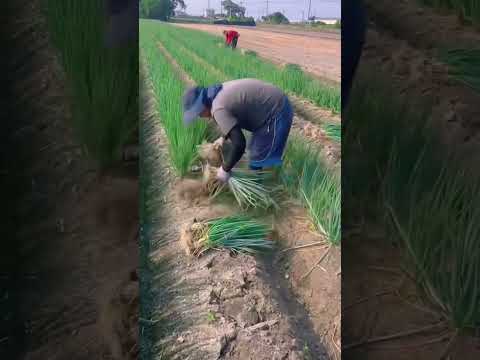
The crew is in the rows by 6 to beat the heat, hand-thinning peach trees so the remaining fruit sizes up — fast, repetitive, skilled work paid by the tree or the hour. Mid-morning brings a rotation: some workers move to transplanting in the greenhouse, others to setting irrigation lines. Lunch is in the shade at the field edge, and the afternoon is harvest — picking, grading on the fly, and filling bins that get tallied per worker. It is honest, physically demanding work with real skill in the hands: a fast, careful picker is noticeably more valuable than a rough one, and crew leads notice.
Tasks at the job
- Repair and maintain farm vehicles, implements, and mechanical equipment.
- Set up and operate irrigation equipment.
- Inform farmers or farm managers of crop progress.
- Identify plants, pests, and weeds to determine the selection and application of pesticides and fertilizers.
- Record information about crops, such as pesticide use, yields, or costs.
- Load agricultural products into trucks, and drive trucks to market or storage facilities.
Workplace & working conditions
Work happens primarily outdoors, exposed to whatever the weather is doing. The role involves regular exposure to contaminants.
There's a regular, moderate amount of time pressure.
Education necessary or common
High school diploma; some on-the-job training or apprenticeship
Licenses & certifications
- Pesticide handler training (employer-provided, WPS)
- Food safety/GAP training (common on produce farms)
- Forklift certification helps in packing houses
Career path
Related fields
Courses to take
- Agriculture/Horticulture classes — plant knowledge raises your value on any crew
- Biology — pests, diseases, and plant growth
- Spanish or English language courses — bilingual workers become crew leads faster
- Health/PE — conditioning for physical work
- Small Engines/Shop — equipment-capable workers earn more
Clubs, activities & competitions
- FFA or 4-H plant science projects
- A school or community garden — grow something at scale
- Farmers market or farm stand job
- Landscaping or nursery summer work
First steps you can take now
- Apply at local farms, orchards, or greenhouses — many hire at 14-16 for summer work
- Grow a real garden bed and learn to identify common pests and weeds
- Learn to run a string trimmer, tiller, and irrigation timer safely
- Watch how experienced workers pace themselves and copy it