Photo: Olga Ernst & Hp.Baumeler (CC BY-SA 4.0)
Job description
Typical tasks include cleaning stalls and pens, feeding and watering animals, and monitoring supplies so nothing runs short, along with administering basic medications and vaccines or calling in a veterinarian when something needs more extensive treatment. Workers also drive trucks and tractors to distribute feed, sort animals by weight, age, or condition, and keep equipment, fencing, and housing in repair. Depending on the operation, this can mean tending cattle and swine one day and shearing sheep or collecting eggs in a hatchery the next.
Pros
- Direct, hands-on animal care work for those drawn to working with livestock day to day
- Broad skill set built on the job, from basic animal care to equipment repair and truck driving
- Outdoor, physically active role rather than a desk job
Cons
- Entry-level pay can be quite low, with the bottom of the range under $30k
- Above-average hours, often stretching past a standard 40-hour work week
- Employment projected to shrink over the next decade (-5%) as farm operations consolidate
A typical day
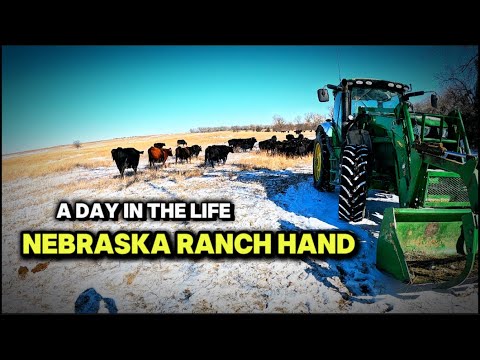
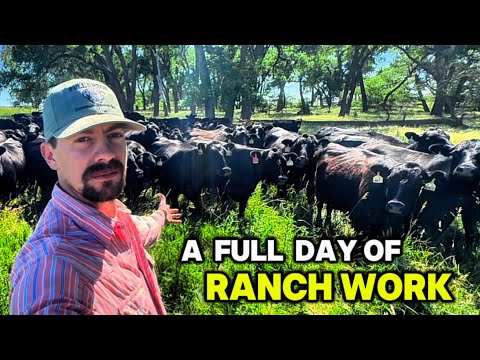
Feeding comes first, every day, no exceptions: rations mixed and delivered to the cattle pens by 6:30, water tanks checked and a float valve fixed on the spot. Mid-morning is health work — spotting the steer that hangs back from the bunk, taking its temperature, and pulling it to the sick pen for treatment per the vet's protocol. Midday might bring moving animals between pastures, scraping pens, or helping work a group through the chute for vaccinations. Evening chores close the loop, and records — feed delivered, treatments given, animals moved — get logged because a good stockperson's notes are worth money.
Tasks at the job
- Clean stalls, pens, and equipment, using disinfectant solutions, brushes, shovels, water hoses, or pumps.
- Feed and water livestock and monitor food and water supplies.
- Provide medical treatment, such as administering medications and vaccinations, or arrange for veterinarians to provide more extensive treatment.
- Drive trucks, tractors, and other equipment to distribute feed to animals.
- Segregate animals according to weight, age, color, and physical condition.
- Inspect, maintain, and repair equipment, machinery, buildings, pens, yards, and fences.
Workplace & working conditions
Work happens primarily outdoors, exposed to whatever the weather is doing, and most of the day is spent on your feet. Noise levels can be distracting or uncomfortable. The role involves regular exposure to contaminants.
Education necessary or common
High school diploma; some on-the-job training or apprenticeship
Licenses & certifications
- Beef Quality Assurance (BQA) certification
- Artificial insemination certification (adds real value)
- Pesticide/medication handling training (employer-provided)
Career path
Related fields
Courses to take
- Agriculture/Animal Science — directly applicable from day one
- Biology — animal health, nutrition, and reproduction
- Chemistry — feed rations and medications
- Small Engines/Ag Mechanics — equipment keeps the operation running
- Health/First Aid — for you and for the animals
Clubs, activities & competitions
- FFA — livestock handling and evaluation events
- 4-H animal projects — raising an animal yourself is the best training
- Work or volunteer at a farm, stable, or county fair barn
- Rodeo or equestrian club where available
First steps you can take now
- Get hands-on with livestock this month — 4-H, a neighbor's farm, or a fair barn crew
- Learn low-stress cattle handling basics (free videos from university extensions)
- Take on daily animal care responsibility and never miss a day
- Ask a rancher what they look for when hiring help