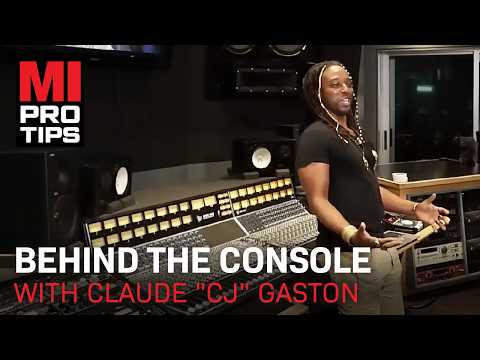
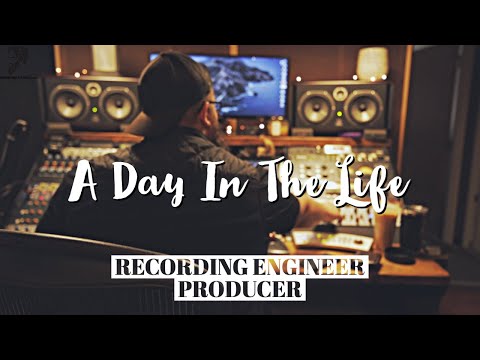
Photo: Steve Knight from Halstead, United Kingdom (CC BY 2.0)
Job description
Before a session starts, an engineer builds a signal chain of microphones tailored to each instrument or voice, then monitors and captures clean takes while communicating with artists and producers about sound quality. Afterward, the raw files get organized, labeled, and backed up for mixing, and equipment problems that pop up mid-session need fast troubleshooting. Studio setups shift between sessions depending on genre, and many engineers build a career through a mix of staff studio work and freelance gigs, with sessions sometimes running late into the night when a creative groove takes hold.
Pros
- No formal degree required; hands-on studio experience is what counts most
- Pay can reach $120k for engineers with an established client base
- Combines technical precision with creative collaboration alongside artists
Cons
- Long, demanding hours that stretch unpredictably late into the night
- Entry-level pay starts modest, around $35k, before a reputation is built
- Career often mixes staff studio work with less stable freelance sessions
A typical day
Session day starts two hours before the band arrives: mic placement on the drum kit — moving a mic two inches and listening again, because that's where the craft lives — headphone mixes routed, and the session template ready so no creativity dies waiting on technology. When tracking starts, the engineer rides levels, catches takes, and keeps the vibe unbroken; a singer chasing a perfect take doesn't need to know about the buzz the engineer just quietly eliminated. Between takes: comping vocals, a rough mix so the artist hears the song's potential. After the band loads out, the engineer labels and backs up everything, then puts an hour into the mix due Friday — nudging EQ and compression until the chorus opens up.
Tasks at the job
- Set up microphones and signal chains tailored to each instrument or voice.
- Monitor and capture takes during recording sessions.
- Communicate with artists and producers about sound quality and performance.
- Organize, label, and back up session files for later mixing.
- Troubleshoot equipment problems that arise mid-session.
- Adjust studio setups between sessions for different genres or projects.
Workplace & working conditions
Work happens indoors in a climate-controlled recording studio, often acoustically treated for sound quality.
Sessions can run long and unpredictably, stretching late into the night when artists are in a creative groove. The role requires precise technical attention paired with a collaborative bedside manner toward performers.
Education necessary or common
No formal degree required, though many study audio engineering; hands-on studio experience matters most
Licenses & certifications
- Avid Pro Tools certification (optional but recognized)
- Dante audio networking certification (live/broadcast work)
Career path
Related fields
Courses to take
- Music & Music Theory — you're serving musicians; speak their language
- Physics — acoustics and signal flow are physics
- Digital Media/Audio Production — DAW skills start now
- Computer Science — modern studios are computer systems
- Electronics — signal chains and troubleshooting
Clubs, activities & competitions
- Run sound for school theater, concerts, and assemblies — real live-audio reps
- Band, choir, or orchestra — musicianship from the inside
- Record local artists or friends' bands — a portfolio beats a resume
- Podcast or morning announcements production
First steps you can take now
- Download a free DAW (Reaper or GarageBand) and record something this week — a friend, an instrument, yourself
- Volunteer for every sound job your school has
- Learn one concept deeply per month: gain staging, EQ, compression
- Re-mix a multitrack from free online session files and compare against the released version