Photo: Steve Knight from Halstead, United Kingdom (CC BY 2.0)
Job description
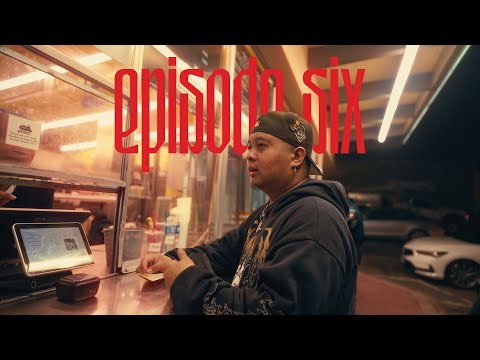
The job starts in pre-production, helping an artist shape a song before recording even begins, then continues into the studio, directing musicians and vocalists to get the performance the track needs. A producer makes calls on arrangement, instrumentation, and mixing, working closely with audio engineers to land the intended sound, while also managing the recording budget and schedule to keep a project on track. Because sessions run on creative momentum rather than a fixed clock, hours are often long and irregular, and pay ranges from flat per-project fees to royalty shares if a track becomes a hit.
Pros
- High upside earning potential, up to $200k, including royalty shares on successful projects
- No formal education required, so a strong portfolio and reputation can open doors on their own
- Work blends creative and technical decision-making in shaping how a song ultimately sounds
Cons
- Long, demanding hours are common, with sessions often running late into the evening or overnight
- Income can be inconsistent, ranging from modest per-project fees to major royalty payouts
- Requires managing creative disagreements and reading people as much as handling technical audio work
A typical day
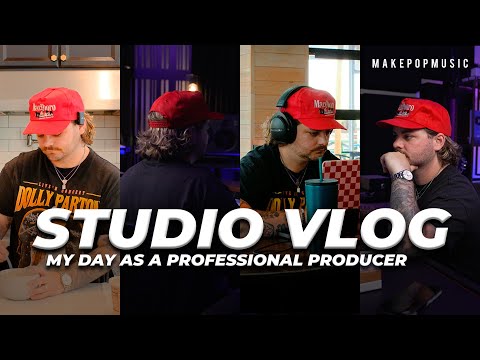
The session is booked for noon, so the morning is prep: listening to the artist's rough demo again, sketching a reference playlist, and getting drum sounds dialed before anyone arrives. When the artist shows up, the producer's real job begins — reading the room, knowing when to push for another take and when the magic one already happened. The afternoon is arrangement surgery: cutting the second verse in half, moving the hook earlier, replacing a synth that fights the vocal. Dinner happens at the console. The evening ends with a rough mix bounced to the artist's phone, because how it sounds on earbuds in a car is the truth that matters. Between sessions, the producer answers messages from three other projects — the pipeline is the career.
Tasks at the job
- Guide artists through pre-production, helping shape songs before recording begins.
- Oversee recording sessions, directing musicians and vocalists to get the intended performance.
- Select or program instrumentation, beats, or arrangements for a track.
- Work with audio engineers on mixing decisions to achieve a desired sound.
- Manage recording budgets and schedules to keep a project on track.
- Give artists creative feedback and help resolve creative disagreements within a session.
Workplace & working conditions
Work happens indoors in recording studios, often for long stretches at a time and frequently during evening or overnight sessions.
Sessions can run late and irregularly since creative momentum doesn't follow a fixed schedule. The role blends technical precision with reading people, since getting the best performance out of an artist is as much interpersonal as musical.
Education necessary or common
No formal requirement, though many study music production or audio engineering; reputation and a portfolio matter most
Career path
Related fields
Courses to take
- AP Music Theory — knowing why a chord change works lets you fix one that doesn't
- Music Technology or Audio Production CTE courses — DAW fluency is the trade skill
- Band, Choir, or Orchestra — producers who play speak musician
- Physics — acoustics, frequencies, and signal flow
- Business — production is deals, splits, and publishing from day one
Clubs, activities & competitions
- Record local artists — friends' bands, church groups, school ensembles
- Run live sound for school events and theater
- Release your own tracks online and study what connects
- Tri-M Music Honor Society and school music leadership
First steps you can take now
- Produce one complete song this month in a free DAW (GarageBand or Reaper trial) — finished beats perfect
- Recreate a favorite song's arrangement layer by layer to learn how it's built
- Offer free recording to one local artist in exchange for full creative collaboration
- Watch session-breakdown videos from working producers and copy one technique per week