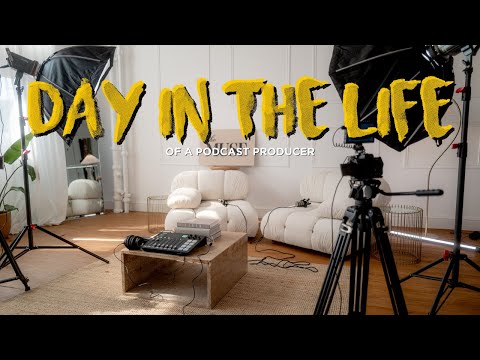
Photo: Earth Rangers (CC BY-SA 4.0)
Job description
A producer researches topics and books guests, plans episode structure, and manages the recording session before moving into editing audio for pacing and clarity and writing the titles and show notes that help new listeners find an episode. For independent shows, producers often also handle sponsorships and audience growth, tracking download numbers and listener feedback to shape future episodes. The work mixes solitary editing time with the more social demands of booking and interviewing guests, all against self-imposed but real deadlines tied to a release schedule.
Pros
- Solid pay range ($45k-$110k) for a media role with relatively low barriers to entry
- Work mixes creative planning, technical editing, and interviewing rather than one repetitive task
- Can often be done independently or with a small team, with real influence over the final product
Cons
- Above-average hours, expect more than a standard 40-hour work week
- Missed self-imposed release deadlines can directly hurt audience trust and platform visibility
- Requires switching between solitary editing work and the social demands of booking and interviewing guests
A typical day
Morning is prep: finalizing questions for tomorrow's guest, confirming their recording link, and skimming their recent interviews so the host doesn't repeat what's already been asked. Midday is a two-hour recording session — running the board, watching levels, and quietly messaging the host a follow-up question the guest just opened the door to. The afternoon disappears into the edit: cutting a 90-minute conversation to 55, smoothing pacing, pulling a 40-second clip for social. Before logging off, the producer writes show notes and titles, schedules the episode release, and checks last week's numbers to see which episode format actually held listeners.
Tasks at the job
- Plan episode topics, formats, and release schedules for a show.
- Research and book guests, then prepare interview questions in advance.
- Record and edit audio, cutting for pacing, clarity, and length.
- Write episode descriptions, titles, and show notes to support discovery.
- Coordinate with hosts on tone, direction, and feedback from listeners.
- Track download numbers and listener feedback to inform future episodes.
Workplace & working conditions
Work happens mostly indoors at a computer or in a recording space, often independently or with a small team.
Deadlines are self-imposed but real, since a missed release date affects audience trust and platform algorithms. The work mixes solitary editing time with the social demands of booking and interviewing guests.
Education necessary or common
Bachelor's degree, often in journalism, media, or communications, though many enter from adjacent audio/media roles
Common college majors
Career path
Related fields
Courses to take
- English/AP English Language — story structure and tight editing start with writing
- Journalism — interviewing, research, and ethics
- Digital Media/Audio Production — hands-on recording and editing skills
- AP Psychology — understanding what holds an audience's attention
- Business or Marketing — independent shows live or die on promotion and sponsorship
Clubs, activities & competitions
- Start or produce a podcast for a school club or team — the single best credential
- School TV/radio or morning announcements
- School newspaper — interviewing and story instincts
- Speech and debate
First steps you can take now
- Record and publish one podcast episode this month using a free tool like Audacity and your phone
- Re-edit a rambling 10-minute recording down to 5 tight minutes — editing is the core skill
- Study the first 60 seconds of three top podcasts and note how each hooks the listener
- Offer to produce audio for a teacher, coach, or local business