Photo: CLI (CC BY-SA 4.0)
Job description
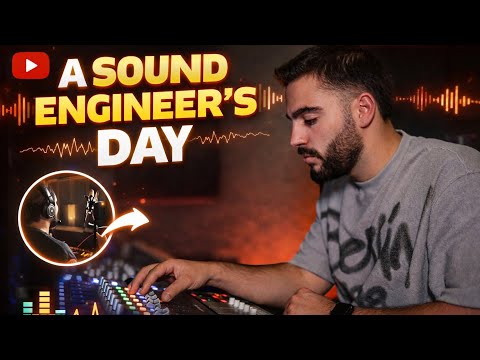
A typical day starts well before anyone records a note: selecting and positioning microphones, testing signal paths, and setting levels on the console. During a session, the engineer rides volume and tone in real time while conferring with producers and performers about the sound they're after, then moves into postproduction to separate and remix individual tracks into a finished product. Many specialize by setting, whether live sports broadcast, music recording, or film and TV post, and build a reel or reputation in that niche over time.
Pros
- Entry via vocational training or an associate's degree, no four-year degree required
- Top earners clear over $137k, a wide range that rewards specialized skill
- Hands-on creative work shaping the final sound of music, film, and live events
Cons
- Employment projected to shrink 1.7% over the next decade, one of the weaker outlooks in media
- Only about 1,200 positions nationwide, a small and geographically concentrated field
- Fast-paced days with real deadline pressure and noise levels that can be distracting or uncomfortable
A typical day
Load-in starts at noon for an evening theater performance: hanging microphones, running cable, and ringing out the room so nothing feeds back. Soundcheck at 4pm is a puzzle -- the lead's wireless pack keeps dropping, and swapping frequencies fixes it with twenty minutes to spare. During the show, the engineer mixes live from the board, riding vocal levels and firing playback cues on time. After the house clears, everything gets struck, coiled, and cased, and tomorrow morning is booked for editing a podcast episode recorded last week.
Tasks at the job
- Record speech, music, and other sounds on recording media, using recording equipment.
- Confer with producers, performers, and others to determine and achieve the desired sound for a production, such as a musical recording or a film.
- Separate instruments, vocals, and other sounds, and combine sounds during the mixing or postproduction stage.
- Regulate volume level and sound quality during recording sessions, using control consoles.
- Set up, test, and adjust recording equipment for recording sessions and live performances.
- Prepare for recording sessions by performing such activities as selecting and setting up microphones.
Workplace & working conditions
Work happens indoors in a climate-controlled setting, and most of the day is spent sitting at a desk. Noise levels can be distracting or uncomfortable.
The pace is often fast, with real time pressure to meet deadlines, and you're expected to exercise significant independent judgment day to day. Precision and accuracy are essential to the work. You'll regularly deal with frustrated or upset people as part of the job.
Education necessary or common
Vocational training, apprenticeship, or associate's degree
Licenses & certifications
- Dante Level 1-2 (audio networking)
- AVIXA CTS (later-career)
Career path
Related fields
Courses to take
- Physics -- sound is waves, and mixing is applied acoustics
- Music or band -- ear training matters more than any other skill
- AP Computer Science Principles -- modern audio runs through software
- Electronics or shop classes -- signal flow and troubleshooting
- Math through Algebra II -- decibels and frequencies are logarithmic
Clubs, activities & competitions
- Run sound for school theater, assemblies, and concerts -- real reps, free gear
- Morning announcements or school podcast -- recording and editing practice
- Marching band or any ensemble -- develop the ear
- A garage-band recording project with free software
First steps you can take now
- Download free software like Audacity or GarageBand and record and mix something this week
- Volunteer to run the soundboard for a school event or place of worship
- Learn signal flow: draw the path from microphone to speaker and label every stage
- Watch a live-sound engineer's full setup video and mirror it on paper