Photo: Dosseman (CC BY-SA 4.0)
Job description
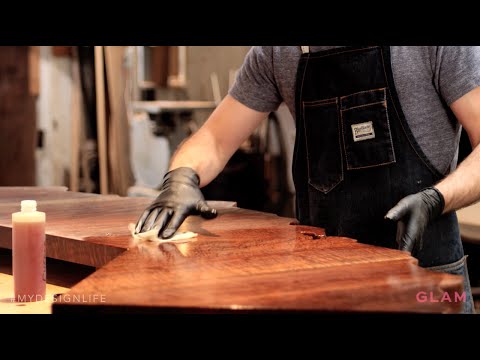
The process starts with sketching and modeling concepts for form and manufacturability, then choosing materials like wood, metal, or upholstery fabric before building or overseeing prototypes to test comfort and durability. Designers work closely with manufacturers or workshop craftspeople to refine production techniques, and independent designer-makers may build pieces themselves rather than handing them off. The work moves between a design studio for sketching and CAD modeling and a dusty workshop for prototyping, and it's largely self-directed except around deadlines tied to trade shows or production runs.
Pros
- Blends creative design work with hands-on craftsmanship in the prototyping stage
- Pay can reach $110k, well above typical craft or trade wages
- Portfolio-based entry path means a formal design degree isn't strictly required
Cons
- Above-average hours -- expect more than a standard 40-hour work week
- Regular exposure to dust, sawdust, and power tools when moving into the workshop
- Deadlines tied to trade shows and production runs create periodic high-pressure crunches
A typical day
The morning is sketching hours: a lounge chair concept drawn twenty ways, the best three moved into CAD where ergonomic reality — seat height, lumbar angle, armrest clearance — begins disciplining the poetry. Midday the designer is in the shop with the prototype: sitting in it, watching others sit in it, feeling the front edge press wrong against the thigh, and marking a revision. The afternoon call is with a manufacturer about the production version — the joinery must simplify, the fabric supplier changed minimums, and every decision trades beauty against buildability against price. The day closes at the sketchbook again, because the next piece always starts before the last one ships.
Tasks at the job
- Sketch and model furniture concepts considering form, function, and manufacturability.
- Select materials such as wood, metal, or upholstery fabric for a piece's construction.
- Build or oversee construction of prototypes to test comfort, durability, and structural integrity.
- Collaborate with manufacturers or workshop craftspeople to refine production techniques.
- Present design concepts to clients, retailers, or manufacturers for feedback and approval.
Workplace & working conditions
Work moves between a design studio for sketching and CAD modeling and a workshop with woodworking or metalworking equipment for building prototypes, which can involve dust, sawdust, and power tools.
The work is largely self-directed and iterative, with real craftsmanship and hands-on problem-solving in the prototyping stage. Deadlines tied to trade shows or production runs add periodic pressure to an otherwise unhurried creative process.
Education necessary or common
Bachelor's degree in industrial or furniture design, or an equivalent portfolio from hands-on woodworking training
Common college majors
Career path
Related fields
Courses to take
- Art and Design — drawing is the first language of furniture
- Wood Shop — designers who build understand what they draw
- Geometry — proportion, joinery, and ergonomics
- Drafting/CAD — industry work lives in 3D software
- Physics — loads, spans, and stability
Clubs, activities & competitions
- Build furniture — a bookshelf, a stool, then a chair, each documented
- Art club and portfolio development
- SkillsUSA cabinetmaking competitions
- Enter youth woodworking or design competitions
First steps you can take now
- Build one piece of furniture start to finish this semester, however simple
- Learn a 3D tool (SketchUp is free and furniture-friendly)
- Keep a design sketchbook: draw ten chairs from life, then invent ten more
- Study one famous chair (Eames, Wegner, Aalto) and figure out why it works