Photo: NATO Training Mission-Afghanistan (CC BY-SA 2.0)
Job description
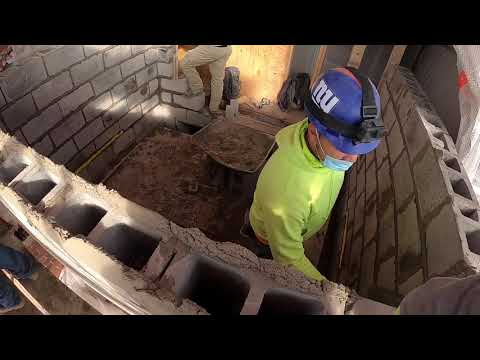
The job's task list runs largely physical: mixing mortar, plaster, or grout to spec, removing damaged tile or brick and cleaning the surface underneath, and cutting materials to size with power saws or tile cutters. Helpers also transport tools and materials to the site and clean up excess grout once a job is finished. The work happens mostly outdoors, often at heights, and moves at a fast pace, making it a hands-on way to learn a trade before pursuing a more skilled masonry role.
Pros
- Low barrier to entry, needing only a high school diploma and on-the-job training
- Hands-on outdoor work for those who prefer physical, tactile tasks over a desk job
- A practical stepping stone toward becoming a full mason with more experience
Cons
- Employment projected to shrink sharply over the next decade (-10.5%), among the steepest declines in the trades
- Physically demanding outdoor work exposed to weather, noise, and hazardous conditions
- Below-average pay, topping out at $70k even at the high end
A typical day
First on site, the helper's morning starts with staging: mixing the first batch of mortar to the mason's preferred consistency, wheeling block to the wall line, and setting up scaffolding planks before the masons lay a single unit. Through the morning the job is rhythm — keep mortar fresh, keep materials within the mason's reach, strike joints when trusted to, and never let the crew wait on you. Midday might mean cutting block with a masonry saw or loading out a tile job's thinset and spacers. The afternoon winds down with washing tools and mixers before mortar hardens in them, covering the fresh wall against weather, and stacking tomorrow's materials — tired shoulders, visible progress.
Tasks at the job
- Mix mortar, plaster, and grout, manually or using machines, according to standard formulas.
- Remove damaged tile, brick, or mortar, and clean or prepare surfaces, using pliers, hammers, chisels, drills, wire brushes, or metal wire anchors.
- Modify material moving, mixing, grouting, grinding, polishing, or cleaning procedures, according to installation or material requirements.
- Transport materials, tools, or machines to installation sites, manually or using conveyance equipment.
- Remove excess grout or residue from tile or brick joints, using sponges or trowels.
- Cut materials to specified sizes for installation, using power saws or tile cutters.
Workplace & working conditions
Work happens primarily outdoors, exposed to whatever the weather is doing, and most of the day is spent on your feet. Noise levels can be distracting or uncomfortable. The role involves regular exposure to hazardous equipment or conditions and contaminants and working at heights, and specialized protective equipment is standard.
The pace is often fast, with real time pressure to meet deadlines.
Education necessary or common
High school diploma; some on-the-job training or apprenticeship
Licenses & certifications
- OSHA 10-Hour Construction — often required before stepping on site
- Forklift/telehandler operator certification
- Registered apprenticeship with a masons' union or contractor — the real career doorway
Related fields
Courses to take
- Construction Trades or Masonry (career/tech center) — direct preparation
- Geometry — courses, corners, and layouts are applied geometry
- Woodshop or general shop — tool fluency transfers
- Physical Education — the job is genuinely athletic
- Algebra — material estimates and measurements
Clubs, activities & competitions
- SkillsUSA — masonry is a national competition
- Habitat for Humanity volunteer builds — real construction experience for teens
- Summer labor work with a construction or landscaping crew
- Home improvement projects — lay a paver path or repair a wall with a mentor
First steps you can take now
- Volunteer for a Habitat for Humanity build day this month
- Ask a masonry contractor if they hire summer laborers at 16-18
- Watch a bricklaying fundamentals series and practice buttering joints with sand mix on scrap block
- Visit your career center and ask about masonry program openings