Photo: Jeff Alworth (CC BY 2.0)
Job description
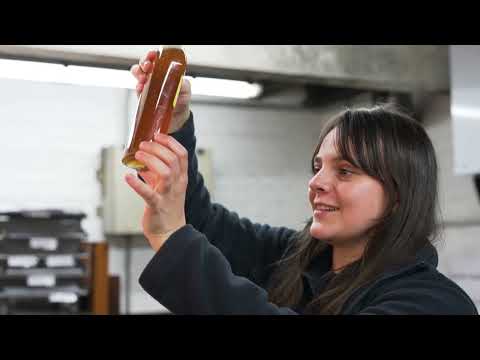
Brewing starts with selecting and measuring malt, hops, yeast, and water for a given recipe, then running the equipment through mashing, boiling, and fermentation while tracking temperature and gravity at every stage. Brewers taste-test throughout production to catch quality issues early, and also handle cleaning and packaging, since finished beer has to move into kegs, cans, or bottles before it can ship. At a small operation, a brewer often handles equipment maintenance and ingredient sourcing personally rather than handing it off to a separate team. The work is physically demanding, with lots of lifting and standing, and brew days can mean early mornings or irregular hours.
Pros
- No formal degree required, most brewers learn the craft hands-on starting as a cellar hand
- Pay can reach $100k at the top of the range for a hands-on craft role
- Blends recipe creativity with the technical precision of monitoring fermentation
Cons
- Above-average hours, expect more than a standard 40-hour work week, often with early mornings around brew days
- Physically demanding work, involving lifting and standing for long stretches around heavy equipment
- Precise attention to timing and measurements is required since small errors affect an entire batch
A typical day
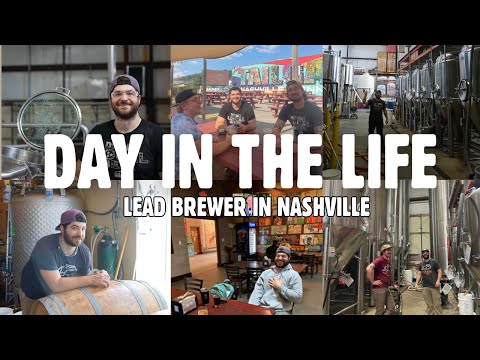
Brew day starts at 6 with the mill grinding grain for the first mash, and for the next ten hours the brewer runs a hot, wet choreography: mashing in at exact temperatures, lautering the sweet wort, the boil with hop additions timed to the minute, then knockout through the chiller into a fermenter sanitized with religious thoroughness — because everything in brewing is really sanitation with beer attached. Between steps come the unglamorous constants: kegs washed, tanks CIP-cleaned, gravity readings logged on the fermenting batches, a yeast starter prepped for tomorrow. Afternoon holds a taste panel on the new IPA — tweaks argued in the language of esters and bitterness — and cellar work carbonating a finished batch. The romance is real but arrives wet, heavy, and smelling of grain.
Tasks at the job
- Select and measure malt, hops, yeast, and water for each batch recipe.
- Operate brewing equipment through mashing, boiling, and fermentation stages.
- Monitor temperature, gravity, and fermentation progress throughout production.
- Taste and test beer at each stage to check for quality and consistency.
- Clean and maintain brewing equipment and tanks between batches.
- Package finished beer into kegs, cans, or bottles for distribution.
Workplace & working conditions
Work happens indoors in a brewery, often around heavy equipment, hot liquids, and wet floors.
The work is physically demanding, involving lifting and standing for long stretches, and requires precise attention to timing and measurements since small errors affect an entire batch. Production schedules often mean early mornings or irregular hours around brew days.
Education necessary or common
No formal degree required, though certificate programs in brewing science exist; most learn on the job starting as a cellar hand
Licenses & certifications
- Brewing science certificates (Siebel, UC Davis extension — the industry's schools)
- Cicerone program levels (beer knowledge credential)
- Food safety/HACCP training
Career path
Related fields
Courses to take
- Chemistry — brewing is applied chemistry from mash to glass
- Biology — yeast and sanitation are microbiology
- Algebra II — gravities, volumes, and recipes scale mathematically
- Culinary courses
- Business math
Clubs, activities & competitions
- FCCLA or culinary competitions
- Science fair with a fermentation project (bread, kombucha — legal fermentation science)
- Chemistry club
- Part-time kitchen or food-production work
First steps you can take now
- Ferment something legal and log it scientifically: bread starter, kombucha, or hot sauce — the microbiology is identical
- Get a food handler's card
- Read one brewing-science primer and learn what mashing actually converts
- Tour a craft brewery's production side (many give tours) and ask the brewer how they started