Photo: Belinda Hankins Miller (CC BY 2.0)
Job description
Officials inspect the game site and equipment beforehand to confirm everything meets safety and regulatory standards, then spend the event itself watching for rule violations, signaling infractions, and resolving disputes participants raise about a call. Judgment is central to the job: officials have to make fast decisions on the field or court and stand by them, even facing pushback from players, coaches, or fans. Outside of games, many officials also teach and explain the rules of their sport to players or newer officials. The work is almost entirely on your feet outdoors, in close proximity to competitors and crowds, and dealing with frustrated people comes with the territory.
Pros
- Faster than average projected job growth (5.7% over the next decade)
- Only a high school diploma and on-the-job training needed to start
- Standard, predictable hours (30-40 per week) compared to many sports-related jobs
Cons
- Entry-level pay can be quite low before working up to higher-level leagues
- Work happens outdoors, exposed to whatever the weather is doing
- Regularly deals with frustrated players, coaches, and spectators disputing calls
A typical day
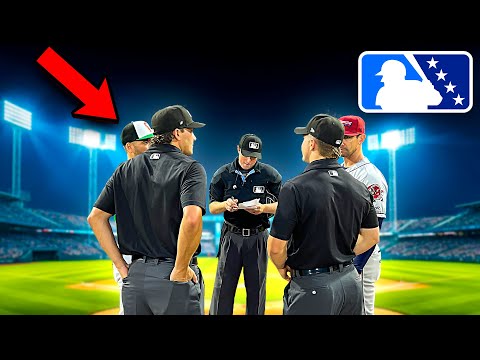
A Saturday doubleheader starts with a 7:30am arrival, plate gear on, and a pregame meeting with the base umpire on coverage rotations. The first game brings a banger at first base, a coach who wants a conversation about it, and the calm, brief mechanics that end arguments without feeding them. Between games there's water, a sandwich, and a self-review of the pitch a partner thought was a strike. The second game's pressure spikes in the sixth -- a check-swing appeal with the tying run aboard -- and the crew handles it by rule and by book, which is the entire craft.
Tasks at the job
- Officiate at sporting events, games, or competitions, to maintain standards of play and to ensure that game rules are observed.
- Inspect game sites for compliance with regulations or safety requirements.
- Resolve claims of rule infractions or complaints by participants and assess any necessary penalties, according to regulations.
- Signal participants or other officials to make them aware of infractions or to otherwise regulate play or competition.
- Teach and explain the rules and regulations governing a specific sport.
- Inspect sporting equipment or examine participants to ensure compliance with event and safety regulations.
Workplace & working conditions
Work happens primarily outdoors, exposed to whatever the weather is doing, and most of the day is spent on your feet, and you work in close physical proximity to coworkers or the public for much of the shift.
You're expected to exercise significant independent judgment day to day. You'll regularly deal with frustrated or upset people as part of the job.
Education necessary or common
High school diploma; some on-the-job training or apprenticeship
Licenses & certifications
- State/sport officiating registration and certification
- CPR/First Aid
Career path
Related fields
Courses to take
- Physical education -- officiating is athletic work
- Psychology -- game management is conflict psychology
- Public speaking -- projecting decisions with confidence
- English -- rulebooks are dense texts to master
Clubs, activities & competitions
- Play the sport -- rules knowledge starts with playing them
- Referee youth rec leagues -- many certify officials at 14-16 and pay per game
- Debate -- staying composed while challenged
- Team captaincy -- authority among peers
First steps you can take now
- Sign up to officiate youth games this season -- your state association certifies teens
- Read your sport's full rulebook once, then re-read its trickiest section
- Watch pro officials work and study their positioning and signals
- Get evaluated once a season and treat the feedback like gold