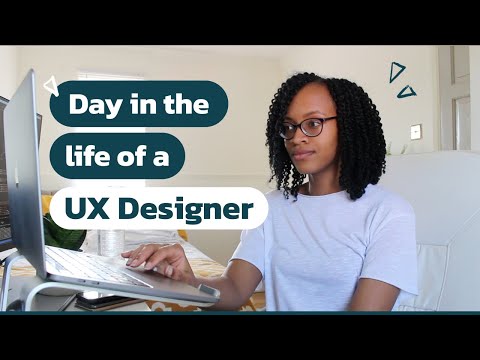
Photo: Zuko.io Images (CC BY 2.0)
Job description
Designers research how people actually interact with a product, then sketch and prototype interface flows before moving into the final visual layer, balancing usability, business goals, and aesthetics along the way. Usability testing sessions are a regular part of validating those decisions, and a shared design system keeps the visual language consistent as the product grows. Because a design only matters if it can actually be built, designers work closely with engineers to make sure ideas are technically feasible, and they iterate repeatedly based on user feedback and product data before presenting concepts to product and leadership stakeholders. The work is creative but cyclical, with deadlines that tighten noticeably around product launches.
Pros
- Strong pay even at the entry level, reaching up to $150k
- Portfolio-based entry path means a formal design degree isn't strictly required
- Creative work with visible, tangible impact on how a product looks and functions
Cons
- Constant iteration and revision cycles based on feedback rather than a single fixed process
- Deadlines tighten sharply around product launches, compressing design and testing time
- Ongoing collaboration and compromise with engineering and product priorities limits full creative control
A typical day
The morning critique puts yesterday's checkout-flow designs on the wall, and the team pulls them apart -- one version tests better but breaks the design system, and reconciling that is today's work. Deep-focus hours follow in Figma: components built properly so engineers inherit structure, not pictures, with edge cases (long names, empty states, errors) designed rather than discovered later. The afternoon includes a handoff review with developers and a session watching usability-test recordings that quietly kill a beloved idea. The day ends sketching tomorrow's problem on paper first, because pixels come too easily.
Tasks at the job
- Create wireframes and interactive prototypes for new features.
- Conduct usability testing sessions to validate design decisions.
- Design visual interfaces and maintain consistency through a shared design system.
- Collaborate with engineers to ensure designs are technically feasible.
- Iterate on designs based on user feedback and product data.
- Present design concepts to product and leadership stakeholders.
Workplace & working conditions
Work happens indoors at a computer, in an office or remote setting, with regular collaborative sessions alongside product and engineering teams.
The work is creative but iterative, cycling through feedback and revision rather than following a single fixed procedure. Deadlines tighten around product launches, though day-to-day pace is generally moderate.
Education necessary or common
Bachelor's degree in design, human-computer interaction, or a related field, or an equivalent portfolio
Common college majors
Career path
Related fields
Courses to take
- Art and AP Art & Design -- visual fundamentals: hierarchy, color, type
- AP Computer Science Principles -- designing for a medium means knowing it
- AP Psychology -- perception and behavior drive usability
- Graphic design electives -- tools and craft
- Geometry -- layout, spacing, and proportion
Clubs, activities & competitions
- Design real things for school clubs -- posters, sites, apps
- Technology Student Association (TSA) design events
- Game jams or hackathons -- design under deadline with a team
- Build a portfolio site of your work
First steps you can take now
- Learn Figma (free for students) and redesign one app screen you find frustrating
- Complete a daily UI challenge for 30 days
- Study one design system (like Material) and why its rules exist
- Post work publicly and seek critique