Photo: Antonio Zugaldia (CC BY 2.0)
Job description
A product manager sets the roadmap by studying user research, market trends, and business goals, then writes detailed specs and user stories engineering teams can build from. Day to day means running sprint planning and prioritization meetings, digging into usage data and customer feedback, and presenting strategy updates to leadership, all while acting as the connective tissue between engineering, design, marketing, and sales. Priorities can shift fast as new data comes in, so the job rewards comfort with ambiguity and the judgment to make trade-off calls that don't have one obvious right answer.
Pros
- Strong pay from entry level onward, reaching up to $190k
- Central role shaping what gets built, with visible ownership over product direction
- Backgrounds vary widely, so the entry path isn't locked to one specific major
Cons
- Constant cross-team communication and meetings can crowd out focused, individual work time
- Priorities shift quickly, requiring comfort with ambiguity and frequent re-prioritization
- Above-average hours, often more than a standard 40-hour week
A typical day
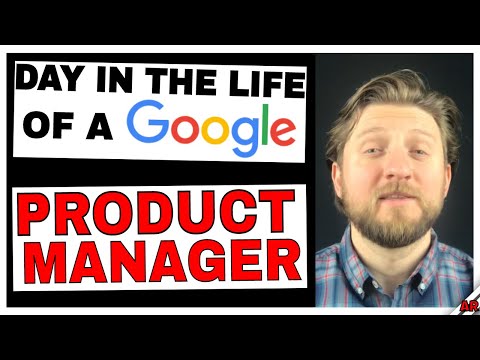
The day opens with a look at the numbers: last week's feature launch is moving activation, but a spike in support tickets suggests something's confusing users. Morning stand-up with the engineering team surfaces a tradeoff — shipping on time means cutting a nice-to-have — and the PM makes the call and owns it. Midday holds two customer interviews, the PM asking about workflow pain without pitching, then synthesizing notes into the roadmap doc. The afternoon runs through a design review, a stakeholder update where marketing needs a launch date, and a spec for the next feature written clearly enough that engineers, designers, and executives all read the same plan in it.
Tasks at the job
- Define product roadmap and prioritize features based on user and business needs.
- Write detailed specifications and user stories for engineering teams.
- Coordinate work across engineering, design, and marketing to ship features.
- Analyze usage data and customer feedback to guide product decisions.
- Run sprint planning and prioritization meetings with cross-functional teams.
- Present product updates and strategy to company leadership.
Workplace & working conditions
Work happens indoors in an office or remote setting, almost entirely at a computer, with frequent meetings across teams.
The pace is fast and priorities can shift quickly as new data comes in, requiring comfort with ambiguity. The role demands constant cross-team communication and the judgment to make trade-off calls without a single right answer.
Education necessary or common
Bachelor's degree; often in a technical, business, or design field, though backgrounds vary widely
Common college majors
Career path
Related fields
Courses to take
- Computer Science/AP CSA — you don't have to code professionally, but you must speak the language
- AP Statistics — product decisions run on data
- AP English Language — specs and strategy docs are persuasion in writing
- AP Psychology — user behavior is the raw material
- Economics — prioritization is resource allocation
Clubs, activities & competitions
- Build something people use: an app, a website, a Discord bot for a club
- FBLA or DECA — product pitch and entrepreneurship events
- Robotics team (FIRST) — engineering collaboration under deadline
- Hackathons — many accept high schoolers and simulate the whole job in a weekend
First steps you can take now
- Pick an app you use daily, list its three worst flaws, and write a one-page improvement spec
- Interview five classmates about a problem, then design (on paper) the smallest product that fixes it
- Take a free intro product management course online
- Enter a hackathon this semester in any role