Photo: AusAID/Jacqueline Smart Ferguson (CC BY 2.0)
Job description
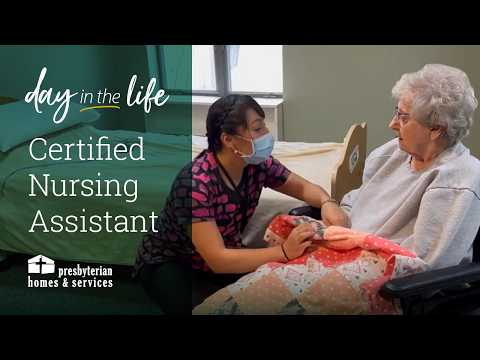
The job is hands-on and physical: helping patients who can't manage alone with washing, dressing, and eating, repositioning those who are bedridden, and tracking basics like food and liquid intake or vital signs to report back to nurses. Assistants spend most of a shift on their feet, moving between patient rooms to restock supplies and answer visitors' questions about a patient's status. It calls for patience with frustrated or uncomfortable patients and close teamwork with the rest of the nursing staff, all while keeping careful records. It typically requires vocational training or an associate's degree, pays around $34,000 to $52,000, and the sheer number of open positions, over 200,000 nationally, makes it one of the most in-demand entry points into healthcare.
Pros
- A very large number of positions nationwide (over 200,000), so opportunities exist in many locations
- Low barrier to entry, vocational training or an associate's degree opens the door
- Constant hands-on patient contact suits people who want direct, people-facing healthcare work
Cons
- Pay is modest ($34k-$52k) despite the physically demanding, hands-on nature of the work
- Slower than average projected growth (2.3%) despite the field's already-large size
- Most of the shift is spent walking, lifting, and repositioning patients, physically taxing work
A typical day
The 6:45am shift huddle assigns the hall: twelve residents this morning, four needing full assistance. The first two hours are the heart of the job — helping people wake, wash, dress, and get to breakfast with their dignity intact, which takes more skill than any textbook admits. Vital signs are next, logged and flagged: a blood pressure that's off gets reported to the nurse immediately, because CNAs are the eyes that catch changes first. The middle of the shift brings repositioning schedules for residents who can't turn themselves, a shower list, and lunch feeding assistance for a stroke survivor relearning to swallow. A resident's family arrives with questions; the CNA answers what's appropriate and finds the nurse for the rest. The last rounds check everyone before handoff. Feet hurt; the work mattered visibly, all day.
Tasks at the job
- Measure and record food and liquid intake or urinary and fecal output, reporting changes to medical or nursing staff.
- Undress, wash, and dress patients who are unable to do so for themselves.
- Record vital signs, such as temperature, blood pressure, pulse, or respiration rate, as directed by medical or nursing staff.
- Restock patient rooms with personal hygiene items, such as towels, washcloths, soap, or toilet paper.
- Provide information, such as directions, visiting hours, or patient status information to visitors or callers.
- Turn or reposition bedridden patients.
Workplace & working conditions
Work happens indoors in a climate-controlled setting, and most of the day is spent walking or moving around, and you work in close physical proximity to coworkers or the public for much of the shift. Standard safety equipment like gloves or safety glasses is commonly worn.
There's a regular, moderate amount of time pressure. Precision and accuracy are essential to the work. You'll regularly deal with frustrated or upset people as part of the job, and almost all of the work is done as part of a team.
Education necessary or common
Vocational training, apprenticeship, or associate's degree
Licenses & certifications
- Certified Nursing Assistant (CNA) — state certification
- CPR/BLS
Career path
Related fields
Courses to take
- Health Science or CNA-track CTE courses — many districts offer certification before graduation
- Anatomy and Physiology — the body you'll care for
- AP Biology or Biology — disease and body-systems context
- AP Psychology — dementia care and patient dignity
- Physical Education — safe lifting and personal stamina
Clubs, activities & competitions
- HOSA-Future Health Professionals — CNA-relevant clinical events
- Volunteer at a nursing home — reading, visiting, and activity help
- Red Cross club — CPR and care skills
- Buddy or inclusion programs with disabled students
First steps you can take now
- Ask your counselor about CNA certification through your district — many students certify at 16-17 and work senior year
- Get CPR certified now
- Volunteer at a long-term care facility this month and learn residents' names
- Treat CNA work as either a career or the classic first rung toward LPN, RN, and beyond — both are legitimate