Photo: Tiia Monto (CC BY-SA 4.0)
Job description
Sealing valves, starting pumps, and adjusting flow rates so a tank car, truck, or barge fills correctly without spills or contamination makes up the physical core of the work. Loaders also inspect vessels beforehand for cleanliness and check that positioning and weight comply with procedure, coordinating closely with other workers to keep product moving steadily between storage tanks and transport. It's fast-paced, outdoor work where a mistake with hazardous materials or heavy equipment can have real consequences, so quick, accurate decisions are part of every shift.
Pros
- Faster than average projected job growth (4.3%) with pay reaching over $83k
- Team-based work with real, fast decision-making on every loading job
- Entry with just a high school diploma and on-the-job training
Cons
- Above-average hours, often exceeding a standard 40-hour work week
- High-stakes environment: mistakes loading chemicals or bulk materials can have serious consequences
- Regular outdoor exposure to weather, hazardous equipment, and heights
A typical day
The shift starts with a safety meeting and a loading order: three tank trucks of ethanol before noon, each one grounded and bonded before a valve opens. The morning is procedure -- verifying placards and seals, connecting hoses, monitoring flow meters, and logging quantities that customs and safety auditors will both read. After lunch a railcar's gasket fails inspection and gets tagged out, because a shortcut here is how spills happen. The afternoon finishes at the dock scale, reconciling loaded weights against the manifest to the pound.
Tasks at the job
- Seal outlet valves on tank cars, barges, and trucks.
- Start pumps and adjust valves or cables to regulate the flow of products to vessels, using knowledge of loading procedures.
- Check conditions and weights of vessels to ensure cleanliness and compliance with loading procedures.
- Observe positions of cars passing loading spouts, and swing spouts into the correct positions at the appropriate times.
- Monitor product movement to and from storage tanks, coordinating activities with other workers to ensure constant product flow.
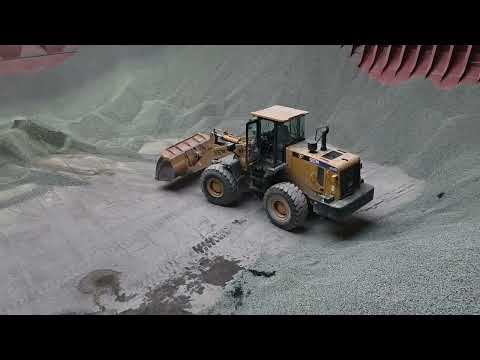
- Operate industrial trucks, tractors, loaders, and other equipment to transport materials to and from transportation vehicles and loading docks, and to store and retrieve materials in warehouses.
Workplace & working conditions
Work happens primarily outdoors, exposed to whatever the weather is doing. Noise levels can be distracting or uncomfortable. The role involves regular exposure to hazardous equipment or conditions and contaminants and working at heights, and specialized protective equipment is standard.
The pace is often fast, with real time pressure to meet deadlines, and decisions come up constantly and often need to be made quickly. Mistakes can have serious consequences, so accuracy matters a lot. You'll regularly deal with frustrated or upset people as part of the job, and almost all of the work is done as part of a team.
Education necessary or common
High school diploma; some on-the-job training or apprenticeship
Licenses & certifications
- OSHA 10
- Hazmat awareness training
- TWIC card (port facilities)
- Forklift certification
Career path
Related fields
Courses to take
- Chemistry -- hazmat behavior is daily reality
- Physics -- pressure, flow, and mechanical systems
- Shop classes -- valves, fittings, and equipment sense
- Algebra -- volumes, weights, and conversions
Clubs, activities & competitions
- SkillsUSA -- industrial safety-minded competitions
- A part-time job with equipment or materials handling
- First aid/CPR certification
- Any role with strict checklists -- lifeguarding, stage crew
First steps you can take now
- Take the free OSHA 10 general industry course
- Learn the hazmat placard system -- it's public and memorizable
- Look up terminal operator and loader jobs at ports or rail yards near you
- Ask about TWIC cards if you live near a port -- many jobs require one