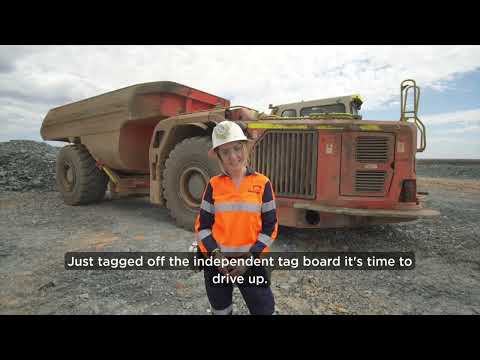
Photo: Kaupo Kikkas (CC BY-SA 4.0)
Job description
Operators drive machines equipped with gathering arms and conveyors into piles of blasted material, clearing trailing electrical cables out of the way with rubber safety gloves as they work. Routine upkeep is part of the job too: oiling and adjusting conveyors and crushers, replacing hydraulic hoses and gathering-arm teeth, and clearing spilled material from tracks and walkways. The environment involves regular exposure to hazardous equipment and contaminants underground, so specialized protective gear is standard, and the work is done as part of a coordinated crew.
Pros
- Solid pay range ($52,030-$87,730) for a HS-diploma-entry role with on-the-job training
- Hands-on equipment operation and maintenance work underground, not routine desk work
- Strong team-based culture working alongside a consistent crew
Cons
- Employment projected to shrink sharply, 22.3% over the next decade, among the steepest declines in this batch
- Very small national job pool (about 500 positions), with mining jobs clustered in a handful of regions
- Above-average hours in a physically demanding, hazardous underground environment
A typical day
The cage drops the crew four hundred feet before sunrise, and the shift starts with a safety check that no one rushes: ventilation readings, roof conditions, and the shuttle car's brakes, lights, and fire suppression inspected and logged. The operator's job is the mine's circulation — running the shuttle car between the continuous miner at the face and the feeder that sends coal to the surface belt, trip after trip through tunnels with inches of clearance, guided by mirrors, cameras, and years of spatial memory. Radio discipline and cap-lamp signals coordinate everything, because the machinery outweighs everyone. Midshift brings a belt move — repositioning equipment as the section advances — and a hydraulic leak caught early because the operator listens to the machine like a doctor. The cage ride up at shift's end returns daylight and a group meal appetite that surface jobs never quite produce.
Tasks at the job
- Move trailing electrical cables clear of obstructions, using rubber safety gloves.
- Clean hoppers, and clean spillage from tracks, walks, driveways, and conveyor decking.
- Pry off loose material from roofs and move it into the paths of machines, using crowbars.
- Drive machines into piles of material blasted from working faces.
- Oil, lubricate, and adjust conveyors, crushers, and other equipment, using hand tools and lubricating equipment.
- Replace hydraulic hoses, headlight bulbs, and gathering-arm teeth.
Workplace & working conditions
Work happens indoors, though not always in a climate-controlled space. Noise levels can be distracting or uncomfortable. The role involves regular exposure to hazardous equipment or conditions and contaminants, and specialized protective equipment is standard.
There's a regular, moderate amount of time pressure. You'll regularly deal with frustrated or upset people as part of the job, and almost all of the work is done as part of a team.
Education necessary or common
High school diploma; some on-the-job training or apprenticeship
Licenses & certifications
- MSHA Part 48 underground miner training — federally required
- Equipment-specific task training (mine-provided)
- EMT or mine rescue team qualification — respected and better-paid additions
Career path
Related fields
Courses to take
- Shop/Mechanical Technology — the machines are half the job
- Earth Science/Geology — the rock overhead is the working environment
- Physical Education — underground work demands fitness and composure
- Algebra — tonnage, loads, and equipment capacities
- Electronics basics — modern mining equipment is instrumented
Clubs, activities & competitions
- SkillsUSA — heavy equipment and diesel exposure
- Part-time equipment work: farm, construction, or quarry
- JROTC or team sports — crew discipline and calm under stress
- Mechanically-minded hobbies: engines, machines, repairs
First steps you can take now
- Research mining operations in your region and their entry requirements — many hire at 18 with MSHA training
- Complete MSHA new miner training basics (free resources exist) to learn the safety framework
- Talk to a miner about the lifestyle honestly — schedules, pay, and the underground environment
- Get comfortable operating any equipment available to you: tractors, skid steers, mowers