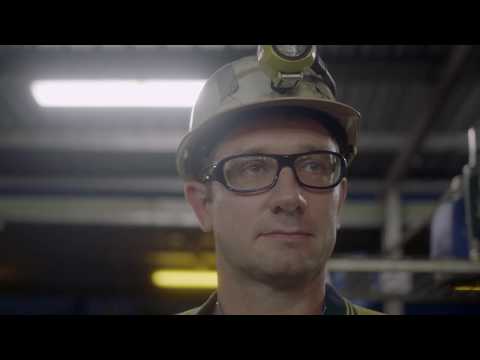
Photo: Jack Corn (Public domain)
Job description
Before cutting starts, operators check methane gas levels and hang ventilation tubing and curtains, since air quality is a constant safety concern that far underground. They drive the machine into position, then work the controls that run the cutting drum, conveyors, and drill cutters, repositioning as the coal face advances and gathering material onto shuttle cars. It's close, coordinated work: mistakes underground carry real consequences, so communication with the rest of the crew matters as much as skill with the machine itself.
Pros
- Pay ceiling above $86k achievable with just a high school diploma and apprenticeship
- Operating large, powerful machinery is hands-on, technical work rather than routine manual labor
- Close-knit team environment underground, working alongside a coordinated crew
Cons
- Slower than average projected job growth
- A relatively small number of positions nationwide, concentrated in mining regions
- Underground conditions require constant methane gas checks, where mistakes carry serious safety consequences
A typical day
The mantrip ride to the face takes twenty minutes underground, and the shift starts with checks that are never skipped: methane readings, roof conditions, and ventilation curtains hung right, because air quality underground is life support, not comfort. At the controls of the miner, the operator advances the machine into the coal seam, watching the cut, the conveyor loading, and the roof line all at once through dust and noise. Shuttle cars cycle behind; timing them is its own choreography. Bolting crews follow to secure the roof before the next cut. The machine gets greased and inspected before the ride out, and every reading from the shift gets logged.
Tasks at the job
- Hang ventilation tubing and ventilation curtains to ensure that the mining face area is kept properly ventilated.
- Conduct methane gas checks to ensure breathing quality of air.
- Operate mining machines to gather coal and convey it to floors or shuttle cars.
- Drive machines into position at working faces.
- Move controls to start and regulate movement of conveyors and to start and position drill cutters or torches.
- Reposition machines to make additional holes or cuts.
Workplace & working conditions
Work happens indoors, though not always in a climate-controlled space, and most of the day is spent on your feet. Noise levels can be distracting or uncomfortable. The role involves regular exposure to hazardous equipment or conditions and contaminants, and specialized protective equipment is standard.
There's a regular, moderate amount of time pressure, and you're expected to exercise significant independent judgment day to day. Mistakes can have serious consequences, so accuracy matters a lot. Almost all of the work is done as part of a team.
Education necessary or common
High school diploma; some on-the-job training or apprenticeship
Licenses & certifications
- MSHA Part 48 new miner training
- State mining certifications
- First Aid/CPR/self-rescuer training
Career path
Related fields
Courses to take
- Shop/Industrial Mechanics — the miner is a machine you must understand
- Chemistry — methane, ventilation, and gas behavior
- Physics — roof pressure, machinery, and hydraulics
- Health/First Aid — self-rescue and emergency response are required knowledge
- Algebra — production and ventilation calculations
Clubs, activities & competitions
- SkillsUSA industrial and diesel tracks
- Auto or equipment repair hobby work
- Part-time work around heavy equipment: farm, quarry, or construction
- Volunteer fire department cadet programs — emergency discipline transfers
First steps you can take now
- Research MSHA new-miner training — it's the mandatory entry credential
- Talk with a working or retired miner about the job's realities
- Build mechanical skills: engines, hydraulics, anything with moving parts
- Look up which mines operate in your region and what they pay entry-level