Photo: Bookipedia2001 (CC BY-SA 4.0)
Job description
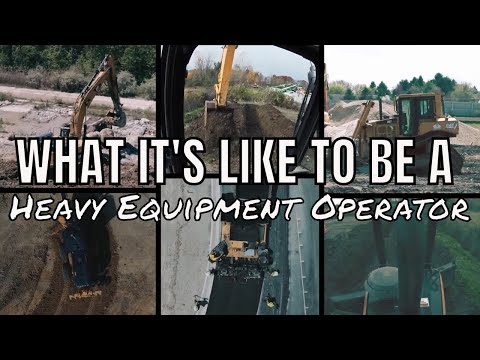
Running the equipment means starting engines and working levers and pedals to control machines like bulldozers, trench excavators, and backhoes, lining them up against reference stakes or a coworker's hand signals. Operators locate underground pipes or wires before digging, load and haul dirt and materials with cranes or graders, and often handle their own equipment repairs and emergency adjustments. The work happens outdoors in all weather, with real noise and hazard exposure, and mistakes with heavy machinery can have serious consequences, so accuracy under time pressure matters.
Pros
- Pay can reach over $101k with only a high school diploma and on-the-job training
- Faster than average projected job growth (3.6%) as infrastructure and construction work continues
- Skilled, equipment-focused work that's more technical than general manual labor
Cons
- Above-average hours, often exceeding a standard 40-hour work week on active job sites
- Operating heavy machinery near hazardous equipment means mistakes can have serious consequences
- Full outdoor exposure to weather and distracting or uncomfortable noise levels
A typical day
The 6:30am walkaround comes first — tracks, hydraulics, fluid levels, and grease points on the excavator, logged before the engine turns over. The morning's task is cutting a foundation to grade: bucket work refined to inches, checked against GPS machine-control readouts and the site engineer's stakes, with a spotter guiding every swing near the utility corridor. By 10am the operator has moved more earth than a hand crew could in a month. After lunch the assignment shifts to loading trucks in rhythm — three passes per bed, no spillage, forty seconds a cycle — then finish-grading a pad where the last two inches separate operators from artists. Rain threatens; the operator tarps the seat, fuels the machine, and logs hours, because tomorrow the dirt will still be there.
Tasks at the job
- Start engines, move throttles, switches, or levers, or depress pedals to operate machines, such as bulldozers, trench excavators, road graders, or backhoes.
- Align machines, cutterheads, or depth gauge makers with reference stakes and guidelines or ground or position equipment, following hand signals of other workers.
- Locate underground services, such as pipes or wires, prior to beginning work.
- Repair and maintain equipment, making emergency adjustments or assisting with major repairs as necessary.
- Load and move dirt, rocks, equipment, or other materials, using trucks, crawler tractors, power cranes, shovels, graders, or related equipment.
- Drive and maneuver equipment equipped with blades in successive passes over working areas to remove topsoil, vegetation, or rocks or to distribute and level earth or terrain.
Workplace & working conditions
Work happens primarily outdoors, exposed to whatever the weather is doing. Noise levels can be distracting or uncomfortable. The role involves regular exposure to hazardous equipment or conditions and contaminants, and standard protective equipment (gloves, safety glasses, and similar) is expected.
The pace is often fast, with real time pressure to meet deadlines, and you're expected to exercise significant independent judgment day to day. Mistakes can have serious consequences, so accuracy matters a lot.
Education necessary or common
High school diploma; some on-the-job training or apprenticeship
Licenses & certifications
- IUOE apprenticeship completion (journeyman operator)
- NCCCO crane certifications (specialization)
- OSHA 10
- CDL (moving machines between sites)
Career path
Related fields
Courses to take
- Auto Shop or Diesel CTE courses — operators who understand machines break fewer of them
- Geometry — grades, slopes, and cut/fill volumes
- Physics — loads, leverage, and stability keep machines upright
- Drafting or Construction courses — reading site plans
- Algebra — quantities and production math
Clubs, activities & competitions
- SkillsUSA — heavy equipment operation competitions exist in many states
- FFA — tractor operation and agricultural mechanics
- Work experience on a farm, landscaping crew, or construction site
- FIRST Robotics — machine control intuition, scaled down
First steps you can take now
- Look up operating engineer apprenticeships (IUOE locals) — paid training with no degree required and strong wages
- Get seat time on anything legal: tractors, skid steers on family property, or simulator programs some unions offer
- Earn OSHA 10 construction online
- Watch grade-checking tutorials and learn to read site stakes