Photo: U.S. Geological Survey (CC BY 2.0)
Job description
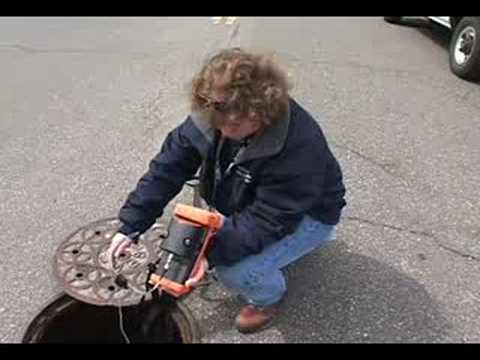
Fieldwork here means collecting and analyzing environmental data, pollution emissions, atmospheric readings, soil or water samples, then turning that data into charts, reports, and technical standards other people can act on. Scientists also communicate findings well beyond the lab, giving briefings, running workshops, or testifying at public hearings to explain results to policymakers, industry, or the public. Much of the job also involves reviewing or helping write the environmental regulations and guidelines that govern how pollution actually gets managed. It's largely desk-based, indoor work, with a bachelor's degree the standard credential and pay ranging from about $53,000 to $140,000.
Pros
- Faster than average projected job growth (4.4%) with a sizable pool of positions (8,500)
- Strong upside pay potential, up to $140,010, for a role requiring only a bachelor's degree
- Varied work mixing data collection with policy research and public communication
Cons
- Entry-level pay starts well below the ceiling, around $52,520, so early-career earnings are modest
- Bachelor's degree is a hard requirement, a longer runway than trade-school-entry production roles
- Work often means translating technical findings for skeptical regulators or industry audiences, a real friction point
A typical day
Morning opens with data from a network of air monitors, and the scientist chases an anomaly — a particulate spike every weekday at 6 a.m. — down to a likely source near a freight depot. Midday is a site assessment call with a client redeveloping an old industrial parcel, walking through what historic uses mean for soil testing. The afternoon goes to writing: an assessment report section, then comments on a draft cleanup standard the state has out for review. A public meeting that evening rounds out the day, explaining sampling results to neighbors who mostly want a straight answer about whether their well water is safe.
Tasks at the job
- Communicate scientific or technical information to the public, organizations, or internal audiences through oral briefings, written documents, workshops, conferences, training sessions, or public hearings.
- Collect, synthesize, analyze, manage, and report environmental data, such as pollution emission measurements, atmospheric monitoring measurements, meteorological or mineralogical information, or soil or water samples.
- Review and implement environmental technical standards, guidelines, policies, and formal regulations that meet all appropriate requirements.
- Provide scientific or technical guidance, support, coordination, or oversight to governmental agencies, environmental programs, industry, or the public.
- Prepare charts or graphs from data samples, providing summary information on the environmental relevance of the data.
- Research sources of pollution to determine their effects on the environment and to develop theories or methods of pollution abatement or control.
Workplace & working conditions
Work happens indoors in a climate-controlled setting, and most of the day is spent sitting at a desk.
There's a regular, moderate amount of time pressure.
Education necessary or common
Bachelor's degree
Common college majors
Licenses & certifications
- HAZWOPER 40-hour for site work
- Professional Geologist or related licensure in some states
- Certified Hazardous Materials Manager (CHMM) later in career
Career path
Related fields
Courses to take
- AP Environmental Science — the field's survey course
- AP Chemistry — contamination is chemistry
- AP Biology — health effects and ecosystems both matter here
- AP Statistics — exposure and risk are statistical arguments
- English/Composition — reports and public communication carry the findings
Clubs, activities & competitions
- Envirothon — the flagship environmental competition
- Science fair with an environmental measurement project
- A watershed, air quality, or conservation volunteer group
- Debate or Model UN — environmental work means persuading people
First steps you can take now
- Pick one local environmental question and investigate it with real data (EPA and state data are public)
- Attend a city council or zoning meeting where an environmental issue is on the agenda
- Interview an environmental consultant or state agency scientist
- Take a free MOOC on environmental science or toxicology