Photo: TAPAS KUMAR HALDER (CC BY-SA 4.0)
Job description
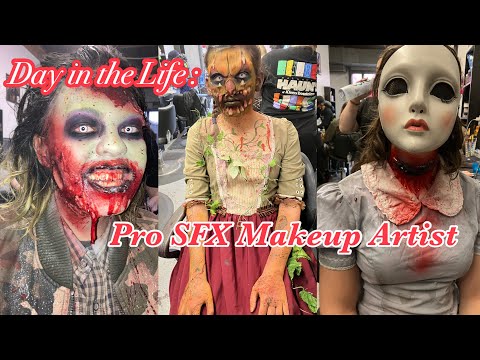
Sculpting and applying prosthetics, wounds, aging effects, and creature designs takes real material know-how (silicone, foam latex, and similar), and artists work closely with the director to match a creative vision, often building molds and appliances well before the shoot itself. Application usually starts hours before a performer's call time, since lengthy prosthetic work has to be finished and touched up throughout the day to maintain continuity between takes. It's a specialized craft distinct from standard beauty makeup artistry, and removing prosthetics safely at the end of each day matters just as much as applying them.
Pros
- Pay reaches $150k for a specialized craft blending art, chemistry, and hands-on sculpting
- No formal degree required; a strong portfolio and hands-on skill matter most for entry
- Directly shapes a production's creature and effects work, distinct from standard beauty makeup
Cons
- Early mornings are standard, often starting hours before a performer's on-set call time
- Long, demanding set hours are common, extending across full shoot days
- A flawed application is magnified on camera and hard to fix quickly once shooting starts
A typical day
Call time is 4:30am, because the actor's transformation into a burn survivor takes three hours before cameras roll. The trailer smells of alcohol and silicone as prosthetic pieces -- sculpted and molded weeks ago -- get glued edge by edge, blended, and painted until skin and appliance are indistinguishable. On set, every take is watched on the monitor for lifting edges, with touch-ups between setups and continuity photos after each scene. Wrap means careful removal, cleaning the appliances that can be reused, and notes for tomorrow's even earlier call.
Tasks at the job
- Design and apply prosthetics, wounds, aging effects, or fantastical creature looks using latex, silicone, or foam materials.
- Sculpt and cast molds for custom prosthetic pieces tailored to individual actors.
- Apply and touch up makeup effects throughout a shoot day to maintain continuity between takes.
- Collaborate with directors and production designers to match effects to the creative vision and lighting setup.
- Test products and materials for skin safety, durability, and camera appearance before filming.
- Remove prosthetics and makeup safely at the end of each day, protecting the performer's skin.
Workplace & working conditions
Work happens in trailers, makeup rooms, and on film or TV sets, often starting hours before a performer's call time to complete lengthy prosthetic applications.
Early mornings and long set hours are standard, and precise, patient handiwork is essential since a flawed application is magnified on camera and hard to fix quickly.
Education necessary or common
No formal degree required, though many train at specialized makeup effects schools; a strong portfolio and hands-on prosthetics skill matter most
Licenses & certifications
- Cosmetology or esthetics license (helpful in some states/markets)
Career path
Related fields
Courses to take
- Art and AP Art & Design -- sculpting and painting are the trade's foundation
- Anatomy & Physiology -- convincing wounds and faces require knowing what's underneath
- Chemistry -- silicones, adhesives, and foams behave by chemical rules
- Theater or stagecraft -- set etiquette and production flow
- Photography -- documenting work builds the portfolio
Clubs, activities & competitions
- Do makeup for school theater productions -- free practice, real deadlines
- Build a Halloween/cosplay effects portfolio and post progress shots
- Art club with a focus on sculpture
- Enter cosplay or SFX contests at local conventions
First steps you can take now
- Buy a starter kit (liquid latex, scar wax) and recreate three tutorial wounds this month
- Photograph everything you make and start an SFX portfolio account
- Volunteer to do effects makeup for a school play or student film
- Study facial anatomy with free ecorche references