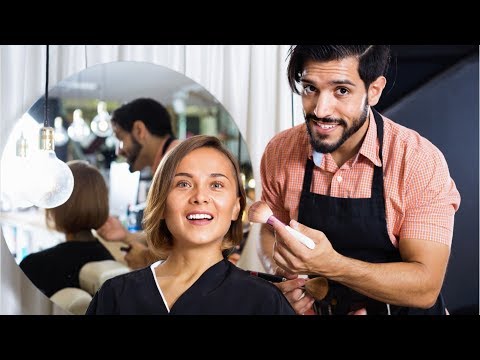
Photo: Fishkafoto (CC BY-SA 4.0)
Work starts well before cameras roll: studying character descriptions, time periods, and scripts to plan what a look needs to convey, then mixing custom shades or selecting products to match. During filming, artists must replicate the same look precisely day after day for continuity, while also adjusting for lighting changes or long shooting schedules. Because the work depends heavily on assessing each performer's skin type to avoid irritation, it combines an artistic skill set with practical knowledge of skincare, and most positions are tied to specific productions rather than a stable single employer.
Call time is 4:30pm for a 7:30 curtain, and the makeup room's counter is already organized by actor: face charts taped up from the design process, kits sanitized, wigs blocked. The lead's first chair is the show's transformation — two hours turning a 28-year-old actor into a 70-year-old king: highlights and shadows built on bone structure, stipple for texture, a laid-on beard glued hair by hair. Around her, the crew works the ensemble line at twenty minutes a face, consistent to the design because the designer's charts, not improvisation, rule a running show. Notes from last night get applied (the queen reads too pale past row ten — stage distance changes everything). During the show: standby for quick changes, a sweat-proofing touch-up in the wings, and the intermission blood rig for act two. Post-show is teardown, sanitation, and prep lists. Film days run opposite — dawn calls, close-up scrutiny, continuity photos — same craft, different stakes.
Work happens indoors in a climate-controlled setting, and most of the day is spent on your feet, and you work in close physical proximity to coworkers or the public for much of the shift.
The pace is often fast, with real time pressure to meet deadlines.
Vocational training, apprenticeship, or associate's degree