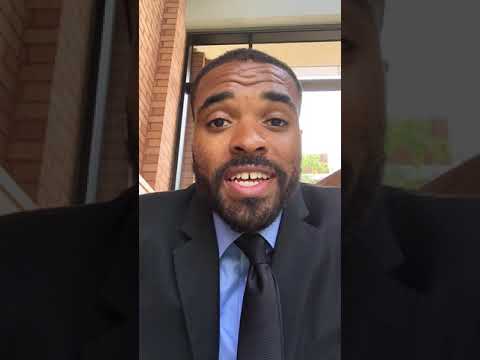
Photo: Jan.CIVICS (CC BY-SA 3.0)
Job description
The job covers the full arc of a criminal case: interviewing clients and witnesses, digging through police reports and evidence for weaknesses in the prosecution's case, negotiating plea deals, and arguing motions or trying cases before a judge or jury. Public defenders are known for carrying much larger caseloads than private attorneys, which means constant prioritization under real court deadlines. Much of the day happens outside the office too, in courtrooms, jails, and client meetings across town. The tradeoff for the heavy workload and lower pay than private practice is often unusually early and frequent trial experience.
Pros
- Direct, meaningful impact defending clients who can't afford private counsel
- Trial experience comes early in a legal career, faster than most other paths
- Steady demand for the role since the right to counsel is constitutionally guaranteed
Cons
- Pay (55k-110k) trails private-practice attorneys doing comparable work
- Heavy caseloads mean managing many active cases simultaneously under court deadlines
- Long hours (up to 60/week) and constant adversarial pressure in the courtroom
A typical day
Court starts at 8:30, so the public defender is in the hallway by 8:00 with a stack of files, catching clients for hurried conferences before arraignments. The morning calendar moves fast: bail arguments, plea negotiations with the prosecutor in the aisle, a continuance because a lab report still hasn't arrived. Lunch is eaten over discovery in tomorrow's suppression hearing — the case may turn on whether a traffic stop was legal. The afternoon holds a jail visit with a client facing a trial date and a hard conversation about a plea offer, where the lawyer advises but the client decides. Evening is trial prep: cross-examination outlines, because underdog cases are won in preparation.
Tasks at the job
- Represent indigent clients charged with crimes at every stage of criminal proceedings.
- Interview clients, witnesses, and investigators to build a defense strategy.
- Negotiate plea agreements with prosecutors on a client's behalf.
- Argue motions and represent clients at trial before a judge or jury.
- Review police reports, evidence, and discovery materials for weaknesses in the prosecution's case.
- Manage a high volume of active cases simultaneously under court deadlines.
Workplace & working conditions
Work happens in courtrooms, jails, and public defender offices, with significant time spent traveling between hearings and client meetings.
Caseloads are typically heavy, requiring firm prioritization under constant court deadlines, and outcomes carry real consequences for a client's freedom. The work demands quick judgment under pressure and frequent, sometimes adversarial interaction with prosecutors and judges.
Education necessary or common
Juris Doctor (JD) plus bar admission
Common college majors
Licenses & certifications
- JD from an accredited law school
- State bar admission
Career path
Related fields
Courses to take
- AP Government & Politics — constitutional rights are the daily toolkit
- AP English Language — argument in writing and speech
- AP US History — the legal system in context
- Psychology — clients, juries, and witnesses
- Speech and Debate — courtroom advocacy starts here
Clubs, activities & competitions
- Mock trial — the single most direct preparation
- Debate team
- Youth court/teen court — real cases, real advocacy
- Volunteer with legal aid or community justice organizations
First steps you can take now
- Join mock trial this year and take a courtroom role
- Watch a real criminal calendar call at your county courthouse — it's public
- Read 'Gideon's Trumpet' or watch a documentary on public defense
- Interview a public defender — offices often welcome student interest