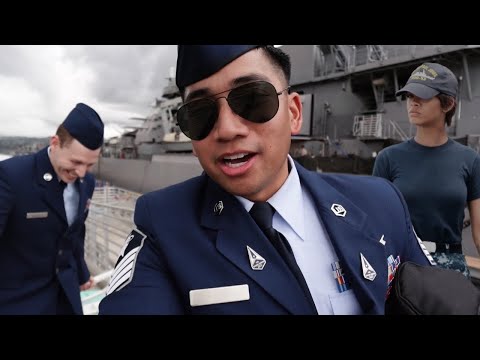
Photo: U.S. Space Force Photo by Staff Sgt. JT Armstrong (CC BY-SA 4.0)
Job description
Officers lead a team or unit in a space-focused specialty, whether satellite operations, space domain awareness, or cyber operations, in the newest branch of the U.S. armed forces, working closely with the Air Force given the two services' shared roots and infrastructure. Duties can include monitoring satellites that provide communications, navigation, or missile-warning capability, tracking objects in orbit for potential collisions or threats, and planning launches or orbital maneuvers. Because missions run continuously, shifts often include nights, weekends, and holidays, and errors in orbital operations can carry real national security consequences.
Pros
- Pay tops out at $150k with steady military benefits and structured advancement
- Work directly with cutting-edge satellite and space-domain technology in the newest military branch
- Clear leadership path, supervising and training enlisted personnel from early in the career
Cons
- Round-the-clock mission coverage means regular night, weekend, and holiday shifts
- Errors carry national security consequences, demanding constant precision under structured procedures
- Requires a service academy, ROTC, or Officer Training School commitment before the job even starts
A typical day
The shift begins in a secure operations floor with a changeover brief: overnight, a satellite in the constellation started drifting and a conjunction warning flagged a piece of debris passing close in 14 hours. The morning goes to working the problem with enlisted Guardians and civilian engineers -- verifying tracking data, modeling the pass, and drafting maneuver options for the commander. After lunch there's mission planning for a training exercise and a mentoring session with a new second lieutenant. The day ends writing the situation report that goes up the chain before the next crew takes the floor.
Tasks at the job
- Operate and monitor satellites providing communications, navigation, missile warning, or reconnaissance capability.
- Track objects in orbit to identify potential collisions or threats to space assets.
- Plan and execute launches, orbital maneuvers, or satellite repositioning operations.
- Analyze data on adversary space and counter-space capabilities to inform military planning.
- Supervise and train enlisted personnel in satellite operations and space systems.
- Coordinate with other military branches and government agencies on space-based support to missions worldwide.
Workplace & working conditions
Work is based primarily indoors at operations centers and control rooms, monitoring consoles and coordinating with crews across time zones.
Missions run continuously, so shifts often include nights, weekends, and holidays to maintain around-the-clock satellite coverage. Errors in orbital or satellite operations can have significant national security consequences, requiring precise, highly structured procedures.
Education necessary or common
Bachelor's degree required (via the Air Force Academy, ROTC, or Officer Training School)
Common college majors
Career path
Related fields
Courses to take
- AP Physics C -- orbital mechanics is physics, full stop
- AP Calculus AB/BC -- required for the technical degrees the Space Force favors
- AP Computer Science A -- space operations and cyber overlap constantly
- AP US Government -- officers serve inside a constitutional chain of command
- English or AP Language -- clear briefings move decisions
Clubs, activities & competitions
- Civil Air Patrol -- the closest civilian on-ramp to Air Force and Space Force culture
- JROTC -- leadership development and academy/ROTC preparation
- FIRST Robotics or rocketry club (TARC) -- hands-on aerospace engineering
- Model UN or debate -- strategic thinking and briefing skills
First steps you can take now
- Research the three commissioning paths: Air Force Academy, ROTC, and Officer Training School
- Join Civil Air Patrol or your school's JROTC unit this semester
- Track real satellites with a free app and learn basic orbital terms
- Talk to a recruiter or academy liaison officer about Space Force-specific slots