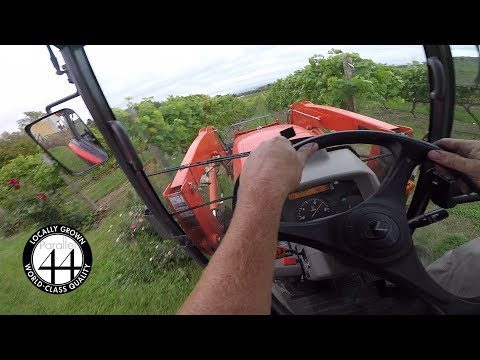
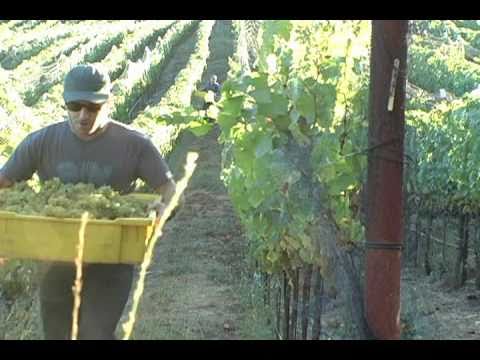
Photo: Klearchos Kapoutsis (CC BY 2.0)
Job description
Winemakers decide when to pick the fruit, then oversee crushing, pressing, and fermentation, tasting throughout the process to guide blending and aging choices. They manage barrel or tank aging (topping off barrels, watching for spoilage) and test and adjust chemical properties like acidity and sugar as fermentation proceeds, before coordinating bottling, labeling, and quality control ahead of release. Many are also involved in vineyard management decisions that shape the quality of fruit they have to work with, and harvest season brings long, physically demanding hours since grapes have to be picked at exactly the right moment.
Pros
- High upside earning potential, up to $150k, blending agricultural, scientific, and creative skill
- Direct sensory and creative control over a wine's final style through blending and aging decisions
- Work varies by season, from vineyard time at harvest to cellar work the rest of the year
Cons
- Long, demanding hours are common, especially during the intense stretch of harvest season
- Harvest timing is dictated by the grapes, not the calendar, requiring readiness on short notice
- Combines physically demanding labor with the technical precision of monitoring fermentation chemistry
A typical day
Harvest-season mornings start in the vineyard at dawn, tasting fruit row by row, because the decision to pick -- today, tomorrow, three days -- shapes everything the wine will become. Back at the winery by 9, the day is physical and chemical at once: pump-overs on fermenting reds, lab numbers pulled on sugar and acidity, a stuck fermentation coaxed back to life with temperature and nutrients. The afternoon holds barrel tasting through last year's vintage, spitting professionally and taking notes that will guide the final blend. Crush season means the day ends when the last bin is processed, often under lights.
Tasks at the job
- Monitor grapevines throughout the growing season and decide when to harvest.
- Oversee crushing, pressing, and fermentation of grapes into wine.
- Taste wine throughout production to guide blending and aging decisions.
- Manage barrel or tank aging, including topping off and monitoring for spoilage.
- Test and adjust chemical properties like acidity and sugar levels during fermentation.
- Coordinate bottling, labeling, and quality control before release.
Workplace & working conditions
Work happens both outdoors in the vineyard, especially at harvest, and indoors in a cellar or production facility the rest of the year.
Harvest season brings long, intense hours since grapes must be picked and processed at the right moment regardless of the calendar. The work blends hands-on physical labor with the sensory judgment of tasting and blending.
Education necessary or common
Bachelor's degree in enology, viticulture, or food science is common, though many enter through a hands-on harvest apprenticeship
Common college majors
Career path
Related fields
Courses to take
- AP Chemistry -- fermentation, acidity, and sulfur chemistry are the craft's science
- AP Biology -- yeast, vines, and microbiology
- AP Environmental Science -- soil, climate, and site
- Algebra II -- lab calculations and blending math
- Business math -- wineries are farms plus factories plus brands
Clubs, activities & competitions
- FFA or 4-H -- plant science and agricultural projects
- Science fair fermentation projects -- bread, kombucha, and yeast experiments are legal and instructive
- Gardening or viticulture-adjacent plant work
- Chemistry club
First steps you can take now
- Run a legal fermentation experiment -- bake with wild yeast starters and log the variables
- Visit a vineyard for a harvest-season tour and watch crush in action
- Take a free online enology or fermentation science intro
- Look up UC Davis and other enology programs to see the coursework ahead