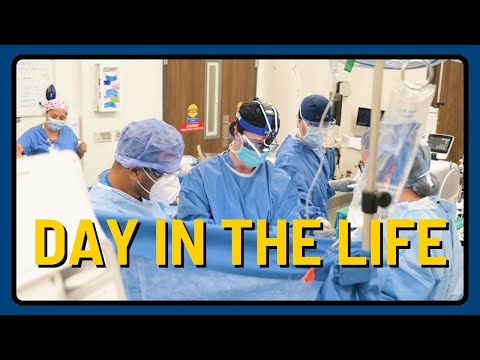
Photo: Tyler Frew MD (CC BY-SA 4.0)
Job description
Reconstructive cases, after trauma, cancer surgery, or congenital differences, are planned alongside other specialists and often carry real medical urgency, while elective cosmetic surgery comes with its own pressure to manage high patient expectations. Before any procedure, the surgeon handles imaging, risk assessment, and a detailed consultation, then monitors recovery afterward and manages complications like infection or poor healing. Training is one of the longer and more competitive paths in medicine: a surgical residency followed by a dedicated plastic surgery fellowship.
Pros
- Pay reaches up to $600k, among the highest ceilings in medicine
- Mix of reconstructive and elective cosmetic cases adds real variety to the practice
- Visible, tangible outcomes for patients after successful reconstructive or cosmetic work
Cons
- Long, demanding hours are common, running 45 to 60 hours a week
- One of the longer and more competitive surgical training tracks in medicine
- Surgical errors can cause permanent disfigurement, raising the stakes of every procedure
A typical day
Operating days start early: reviewing imaging and marking the surgical plan on the first patient before a 7:30am case, which might be a breast reconstruction after cancer surgery that runs four hours under the microscope. Between cases the surgeon dictates op notes, checks on yesterday's patients, and fields a call about a post-op concern. Clinic days swap the OR for back-to-back consults — evaluating a child's cleft repair timeline, managing an elective patient's expectations with photos and honest talk about risk. Evenings often include reviewing tomorrow's cases and, for those on call, the possibility of a hand or facial trauma coming through the ER.
Tasks at the job
- Consult with patients to determine surgical options for reconstructive or cosmetic goals.
- Perform surgical procedures such as reconstruction, grafting, or aesthetic enhancement.
- Manage pre-operative planning, including imaging and risk assessment.
- Monitor patients through recovery and address complications such as infection or poor healing.
- Coordinate with other specialists on complex reconstructive cases, such as trauma or cancer-related surgery.
- Document procedures and outcomes thoroughly for medical and legal records.
Workplace & working conditions
Work happens in operating rooms for procedures and outpatient clinics for consultations and follow-up visits, under sterile surgical conditions.
Precision is critical, since surgical errors can cause permanent disfigurement or life-threatening complications, and procedures often run for hours requiring sustained focus. The work spans both reconstructive cases with real medical urgency and elective cosmetic cases with high patient expectations to manage.
Education necessary or common
Doctor of Medicine (MD) or Doctor of Osteopathic Medicine (DO), plus a surgical residency and a plastic surgery fellowship
Common college majors
Licenses & certifications
- MD or DO license (state medical board)
- American Board of Plastic Surgery certification
Career path
Related fields
Courses to take
- AP Biology — the foundation for every pre-med pathway
- AP Chemistry — required territory for medical school prerequisites
- Anatomy & Physiology — the most directly relevant course a high school offers
- AP Psychology — patient expectations and body image are core to this specialty
- Art or Sculpture — plastic surgery is unusually dependent on three-dimensional aesthetic judgment
Clubs, activities & competitions
- HOSA (Future Health Professionals) — competitions and exposure to clinical careers
- Hospital or surgical center volunteering
- Science Olympiad — anatomy and physiology events
- Fine arts portfolio work — hand skills and aesthetic training genuinely matter here
First steps you can take now
- Shadow any surgeon — general surgery exposure counts; plastics access comes later
- Interview a pre-med college student about what the path actually feels like
- Take a free online anatomy course (e.g. from a university on Coursera or edX)
- Start a suturing practice kit — inexpensive ones with silicone pads are widely available