Photo: Spc. Brianne Roudebush (Public domain)
Job description
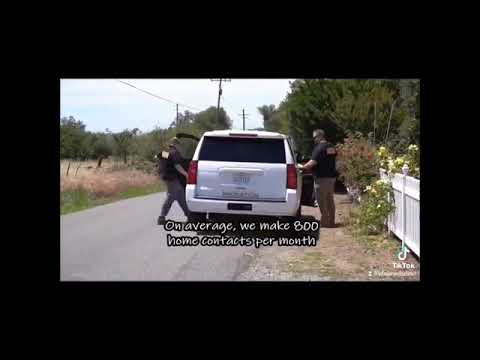
Officers gather background information by talking with offenders, their families, and others who know them, then work through issues like substance abuse or anger management that may have contributed to criminal behavior. Field supervision includes curfew checks and visits to an offender's home, work, or school, along with explaining the conditions of release, office visits, restitution payments, education or employment requirements, and the consequences of violating them. Officers also build networks with other agencies, correctional institutions, and treatment programs to help offenders make a workable transition back into daily life.
Pros
- Solid pay ceiling (up to $108k) for a bachelor's-level social service role
- Meaningful work directly shaping rehabilitation plans and helping offenders reintegrate
- Varied caseload combining fieldwork (home visits, supervision) with case management and reporting
Cons
- Slower than average projected growth (2.6%) limits new openings in the field
- Fast pace with real deadline pressure and significant independent judgment required on sensitive cases
- Regularly dealing with frustrated or resistant individuals, including those with substance abuse or anger issues
A typical day
The morning starts with a caseload review: sixty-plus people, and today's priorities are two home visits and a court appearance. The first home visit finds a client mid-relapse — the officer weighs the response, opting for a treatment referral over a violation, documenting the reasoning either way. Back at the office, drug screens, an employment verification call, and an intake interview with a new probationer where the officer lays out conditions and, more importantly, tries to establish that following them is achievable. The afternoon's court hearing requires testifying on a client's progress. Paperwork closes the day; every contact, decision, and referral goes in the file.
Tasks at the job
- Gather information about offenders' backgrounds by talking to offenders, their families and friends, and other people who have relevant information.
- Discuss with offenders how such issues as drug and alcohol abuse and anger management problems might have played roles in their criminal behavior.
- Supervise people on community-based sentences, such as electronically monitored home detention, and provide field supervision of probationers by conducting curfew checks or visits to home, work, or school.
- Develop liaisons and networks with other parole officers, community agencies, correctional institutions, psychiatric facilities, and aftercare agencies to plan for helping offenders with life adjustments.
- Inform offenders or inmates of requirements of conditional release, such as office visits, restitution payments, or educational and employment stipulations.
- Write reports describing offenders' progress.
Workplace & working conditions
Work happens indoors in a climate-controlled setting. The role involves regular exposure to contaminants.
The pace is often fast, with real time pressure to meet deadlines, and you're expected to exercise significant independent judgment day to day. Precision and accuracy are essential to the work. You'll regularly deal with frustrated or upset people as part of the job.
Education necessary or common
Bachelor's degree
Common college majors
Licenses & certifications
- State probation/parole officer certification (post-hire academy)
- First Aid/CPR
Career path
Related fields
Courses to take
- Psychology/AP Psychology — behavior change is the actual work
- Government/AP Government — the legal system you'd operate inside
- Sociology — poverty, addiction, and family systems context
- English — court reports and case documentation
- Spanish — a second language expands who you can serve
Clubs, activities & competitions
- Peer mediation or peer counseling program
- Volunteer with a mentoring program like Big Brothers Big Sisters
- Mock trial
- Youth court/teen court — many counties run real ones with student volunteers
First steps you can take now
- Volunteer with a teen court or mentoring program this month
- Interview a probation officer about a typical caseload — most departments will arrange this for students
- Take a free online intro to criminal justice or psychology course
- Attend an open court session and watch probation hearings