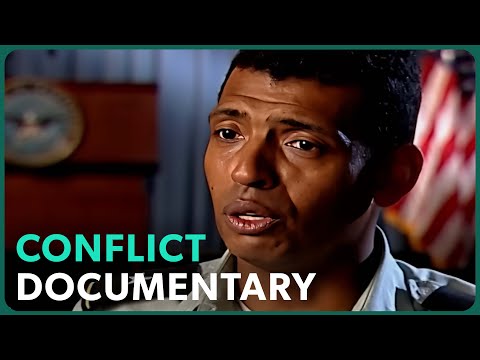
Photo: Unknown authorUnknown author (CC BY 4.0)
Job description
Getting the story means traveling into unstable, dangerous territory, verifying facts under chaotic conditions, and filing under brutally tight deadlines, often while coordinating with security personnel and local fixers just to move safely. Interviews range from combatants to officials to civilians caught in the middle, and every day brings real-time judgment calls about which risks are actually worth taking. It's one of journalism's highest-risk specialties, usually reached only after years of reporting experience and hostile-environment training, with irregular hours and real emotional weight built into the job.
Pros
- Reports on stories of major global significance from the ground, firsthand
- Builds rare, highly specialized expertise most journalists never develop
- Deep sense of purpose documenting events that would otherwise go unreported
Cons
- Real, constant physical danger in active conflict zones
- Long, irregular hours (up to 70/week) with no predictable schedule
- Heavy emotional and ethical weight from the conditions being reported on
A typical day
The day starts with a security assessment as routine as coffee: check-ins with the fixer, route planning that avoids yesterday's shelling, and body armor loaded into a marked vehicle. The morning's reporting is a hospital visit -- interviewing survivors with a translator, verifying names and details that propaganda on both sides will contest. The afternoon's task is corroboration: matching witness accounts against satellite imagery and official statements before a word gets filed. The story transmits by evening from a generator-powered hotel, and the correspondent's last call is to an editor about tomorrow's risk-versus-story calculation, which is the job's permanent equation.
Tasks at the job
- Report from active conflict zones on unfolding events.
- Verify facts and sources under chaotic, often dangerous conditions.
- File stories, footage, or broadcasts under extremely tight deadlines.
- Coordinate with security personnel and local fixers to move safely.
- Interview combatants, officials, and civilians affected by the conflict.
- Make real-time judgment calls about which risks are worth taking for a story.
Workplace & working conditions
Work happens in active conflict zones, often in austere, unpredictable, and physically dangerous conditions with minimal infrastructure.
Physical danger is real and constant, and split-second independent judgment can matter for personal safety, not just the story. Hours are irregular and the emotional and ethical stakes of the reporting are unusually high.
Education necessary or common
Bachelor's degree in journalism, built on years of reporting experience before covering conflict zones
Common college majors
Licenses & certifications
- HEFAT (hostile environment training, industry standard before deployment)
- First aid/trauma care training
Career path
Related fields
Courses to take
- Journalism -- sourcing, verification, and ethics
- AP World History and AP Comparative Government -- conflicts have long roots
- A world language, ideally two -- access is everything
- AP English Language -- writing fast, clear, and true
- Psychology -- trauma literacy, for subjects and self
Clubs, activities & competitions
- School newspaper -- report hard stories at school scale
- Model UN -- conflict and diplomacy fluency
- Debate -- argument and evidence discipline
- First aid certification -- field journalists train in this seriously
First steps you can take now
- Report a difficult story at your school and verify every claim two ways
- Read a great war correspondent's memoir and their actual filed dispatches
- Follow conflict coverage across three outlets and compare sourcing
- Start a language relevant to a region you'd cover