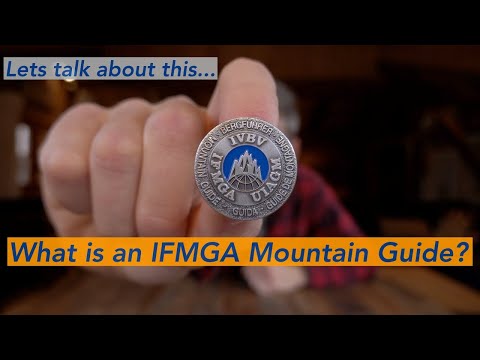
Photo: brewbooks from near Seattle, USA (CC BY-SA 2.0)
Job description
Before a trip even starts, a mountain guide plans routes based on terrain, weather forecasts, and the group's skill level, and checks over ropes, harnesses, and other technical safety gear. Out on the mountain, the job mixes teaching with pacing a group to its slowest member over multi-hour or multi-day routes, constantly reading changing weather and terrain to know when to adjust or abort a plan. Because conditions can turn dangerous quickly, guides also need to be ready to respond to injuries or emergencies far from roads or cell service, including basic first aid and evacuation.
Pros
- Outdoor, physically active work in mountain terrain rather than a desk or indoor setting
- Genuine autonomy making real-time route and safety calls in the field
- Built on personal climbing expertise, a career path rooted in a skill many pursue as a passion anyway
Cons
- Long, demanding hours are common, often running multi-day trips with no fixed schedule
- Real physical danger from terrain, weather, and altitude with responsibility for clients' safety
- Seasonal, region-specific work that can limit steady year-round income
A typical day
The alarm goes off at 3:30am for an alpine start — the snow bridges on the glacier are strongest before the sun softens them. By headlamp, the guide checks each client's harness, knots, and crampons, then sets the pace, reading the mountain the whole way: yesterday's wind loading on that slope, the boot-top crack in the snowpack dug and tested before committing. The summit matters less than the decisions; today the guide turns the group around 400 feet short when clouds build early, and does it in a way that leaves clients feeling taught rather than cheated. The afternoon descent ends with gear sorted, a trip debrief, and notes on conditions for the guides going up tomorrow.
Tasks at the job
- Plan routes based on terrain, weather forecasts, and clients' skill levels.
- Teach clients climbing, hiking, or mountaineering techniques and safety practices.
- Check and manage ropes, harnesses, and other technical safety equipment.
- Monitor changing weather and terrain conditions and adjust or abort plans when conditions turn dangerous.
- Lead groups over multi-hour or multi-day routes, pacing the trip to the slowest member.
- Respond to injuries or emergencies in remote terrain, including basic first aid and evacuation.
Workplace & working conditions
Work happens outdoors in mountainous or high-altitude terrain, often far from roads, cell service, or emergency help.
Conditions can shift quickly from routine to genuinely dangerous, so the job demands constant risk assessment and full responsibility for clients' safety in an unforgiving environment. Trips can run long hours over multiple days, with real physical demands and exposure to cold, altitude, and weather.
Education necessary or common
Certification through a recognized mountain guide program (e.g. AMGA in the US) is the standard credential, built on years of personal climbing experience
Licenses & certifications
- AMGA guide certifications (Rock, Alpine, Ski disciplines)
- Wilderness First Responder (WFR)
- AIARE avalanche education (Level 1 onward)
- CPR
Career path
Related fields
Courses to take
- Physical Education and endurance training — the job is carried on fitness
- Earth Science or Geology — snowpack, weather, and terrain are professional reading material
- Physics — anchors, forces, and rope systems are applied mechanics
- First Aid/Health — wilderness medicine starts here
- Spanish, French, or German — international clients and international ranges
Clubs, activities & competitions
- Climbing gym team or club — technical skills begin indoors
- Scouting high-adventure programs or outdoor club backpacking trips
- Cross country or Nordic skiing — the engine matters as much as the technique
- Volunteer with a local search and rescue youth program where offered
First steps you can take now
- Join a climbing gym this month and learn to belay properly
- Take a Wilderness First Aid course — teens can enroll, and it's the first rung of the guide medical ladder
- Camp overnight in weather you'd rather avoid, and learn your systems
- Read the AMGA certification ladder (rock, alpine, ski) to see the decade-long path clearly