Photo: U.S. Army Corps of Engineers from USA (CC BY 2.0)
Job description
Planners set the schedule and budget for a restoration project, then provide technical direction to the biologists, geologists, and other specialists working to build out the strategy. Site assessments are a core part of the job, whether certifying that a habitat meets standards or scoping out the extent of environmental damage before writing a restoration plan, and much of the analysis involves turning complex data into something field crews can actually act on. Planners also supervise and train the people doing the physical restoration work, and much of the job itself happens inside a vehicle or piece of equipment moving between sites. Most positions call for a master's degree in environmental science, planning, or a related field.
Pros
- Faster than average projected growth (4.4%) with 8,500 jobs nationwide
- Fieldwork-heavy role, working mostly out of a vehicle rather than stuck at a desk
- Direct, tangible impact overseeing habitat restoration and conservation projects
Cons
- Requires a master's degree in environmental science, planning, or a related field
- Highly structured, procedure-driven work that follows set protocols
- Entry-level pay starts around $52.5k despite the graduate-degree requirement
A typical day
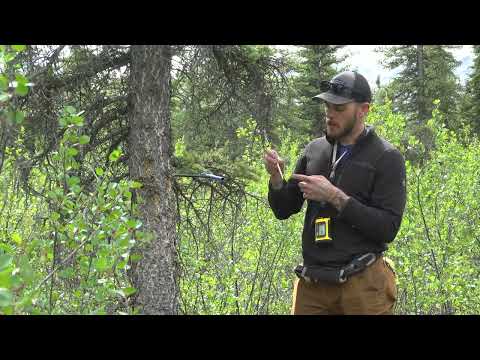
The morning is spent on a restoration site walk: checking whether last season's native plantings survived the winter, flagging patches where invasive reed canary grass is pushing back in. Midday goes to plan revision — adjusting the planting palette and herbicide schedule, then updating the budget and the crew calendar to match. In the afternoon the planner meets a landowner and a state biologist about a streambank project, translating between what the science requires and what the permit and the budget allow. The last hour is spent writing the monitoring report that funders require, photos and survival counts included.
Tasks at the job
- Develop environmental restoration project schedules and budgets.
- Provide technical direction on environmental planning to energy engineers, biologists, geologists, or other professionals working to develop restoration plans or strategies.
- Create habitat management or restoration plans, such as native tree restoration and weed control.
- Conduct site assessments to certify a habitat or to ascertain environmental damage or restoration needs.
- Collect and analyze data to determine environmental conditions and restoration needs.
- Supervise and provide technical guidance, training, or assistance to employees working in the field to restore habitats.
Workplace & working conditions
Work happens mostly inside a vehicle or piece of equipment.
There's a regular, moderate amount of time pressure, and you're expected to exercise significant independent judgment day to day. The work is highly structured, following set procedures. Almost all of the work is done as part of a team.
Education necessary or common
Master's degree in environmental science, planning, or a related field
Common college majors
Licenses & certifications
- Pesticide applicator license (common for invasive control)
- Certified Ecological Restoration Practitioner (SER) later in career
- Wetland delineation training
Career path
Related fields
Courses to take
- AP Biology — plant communities and ecosystems are the working material
- AP Environmental Science — restoration in its policy and science context
- Chemistry — soil and water chemistry drive what will grow
- Statistics — monitoring data means survival rates and trend lines
- Geography or GIS if offered — restoration plans are maps
Clubs, activities & competitions
- Envirothon — forestry, soils, and aquatics knowledge tested nationally
- A native-planting or invasive-removal volunteer crew (park districts run them constantly)
- FFA — many chapters include natural resources tracks
- Science Olympiad ecology events
First steps you can take now
- Join one invasive-species removal workday this month — they are everywhere and free
- Learn ten native plants and ten invasives in your county on sight
- Interview someone at a land trust or conservation district
- Start a small native planting at home or school and track survival like a scientist