Photo: Dr. P. K. Abdul Kader (CC BY-SA 4.0)
Job description
Physical therapist assistants instruct and safeguard patients as they practice exercises or functional activities, such as aquatic exercise, and document how each patient responds so the physical therapist can adjust the plan. In accordance with state laws, assistants may also help develop treatment plans and modify specific treatments within the scope the therapist has established. The job keeps you on your feet and in close contact with patients most of the day, and formal training through a vocational or associate's program is generally required to enter the field.
Pros
- Much faster than average projected job growth (22%), among the fastest-growing roles around
- Solid pay up to $89,510 with only an associate's degree or vocational training required
- Standard, predictable full-time hours, often under 40 hours a week
Cons
- On your feet for most of the shift, assisting and safeguarding patients through physical exercises
- Requires quick, in-the-moment decisions when patients respond unexpectedly to treatment
- Regular contact with frustrated or discouraged patients working through pain or slow recovery
A typical day
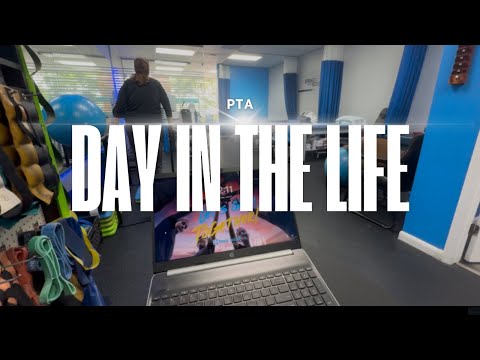
The 8am patient is six weeks post-knee-replacement, and the PTA runs the session the PT designed: quad sets, heel slides progressing to the bike, and manual stretching at end range where the assistant's hands read tissue resistance the way the training taught. Progress gets measured, not guessed — degrees of flexion goniometered and charted, because tonight's note shapes tomorrow's plan. The morning's caseload rolls through hourly: a rotator cuff patient's resistance band ladder, an ankle sprain's balance work made harder exactly on schedule, and an elderly fall-risk patient whose gait training with a walker is equal parts mechanics and confidence-building. The PTA flags a shoulder patient's unexpected pain spike to the supervising PT — treatment adjusts within the plan, the collaboration working as designed. Afternoon adds a home-program teach-back, aquatic therapy, and documentation. Patients get better visibly, week by week, in front of you; among healthcare careers reachable with a two-year degree, few pay this well or feel this direct.
Tasks at the job
- Instruct, motivate, safeguard, and assist patients as they practice exercises or functional activities.
- Document patient information, such as notes on their progress.
- Observe patients during treatments to compile and evaluate data on their responses and progress and provide results to physical therapist in person or through progress notes.
- Instruct patients in proper body mechanics and in ways to improve functional mobility, such as aquatic exercise.
- Secure patients into or onto therapy equipment.
- Clean work area and check and store equipment after treatment.
Workplace & working conditions
Work happens indoors in a climate-controlled setting, and most of the day is spent on your feet, and you work in close physical proximity to coworkers or the public for much of the shift. Standard safety equipment like gloves or safety glasses is commonly worn.
There's a regular, moderate amount of time pressure, and decisions come up constantly and often need to be made quickly. The work is highly structured, following set procedures. You'll regularly deal with frustrated or upset people as part of the job, and almost all of the work is done as part of a team.
Education necessary or common
Vocational training, apprenticeship, or associate's degree
Common college majors
Licenses & certifications
- State PTA license (after the NPTE-PTA exam)
- CPR/BLS
Career path
Related fields
Courses to take
- Anatomy and Physiology — muscles, joints, and movement are the daily toolkit
- Physical Education and weight training — exercise fluency
- AP Biology — the science requirement for PTA programs
- AP Psychology — motivation drives rehab outcomes
- Health Science CTE courses — clinical foundations
Clubs, activities & competitions
- Athletic training student aide — rehab exposure with your school's teams
- HOSA-Future Health Professionals
- Volunteer or work as a PT aide/tech at a clinic
- Sports participation — training and injury literacy
First steps you can take now
- Get a PT aide job or volunteer role — PTA programs expect observation hours and the work confirms the fit
- Look up CAPTE-accredited PTA associate's programs and their prerequisites now
- Get CPR certified
- Learn goniometry basics from free videos — measuring joint angles is a day-one skill