Photo: ושמחת בחגך (CC BY-SA 4.0)
Job description
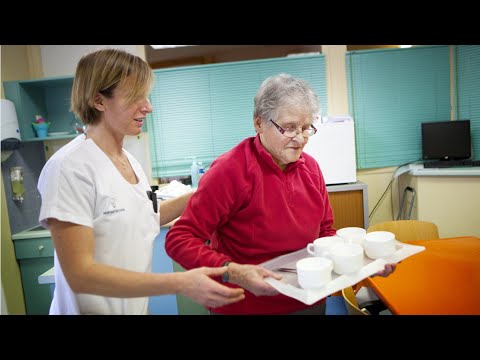
Aides handle the supporting work around a therapy session: setting up the treatment room and supplies beforehand, transporting patients to and from appointments, and attending to their physical needs and comfort throughout. They keep close notes on a patient's attendance, mood, and progress to pass along to the supervising therapist, and sometimes show patients and families how to use adaptive equipment at home. Everything happens under a therapist's or assistant's direct supervision rather than independently, at a pace that can turn hectic and demands patience with frustrated patients. It typically requires vocational training or an associate's degree, with pay ranging from about $29,000 to $70,000.
Pros
- Pay can reach over $70k at the top of the range for a role needing only vocational training
- Meaningful, supportive work helping patients toward real therapeutic and independence goals
- Team-based role that offers a path into broader occupational therapy or related healthcare careers
Cons
- Entry-level pay can be quite low, with the bottom of the range under $30k
- Only about 600 positions nationwide, so opportunities may be geographically limited
- Fast-paced days with regular contact with frustrated patients add emotional demands
A typical day
The rehab gym needs to be ready before the first patient arrives, so 7:30am is setup: wiping equipment, laying out therapy putty and cone-stacking sets, and checking the day's schedule against each therapist's plan. Through the morning the aide is the clinic's connective tissue — escorting patients from the waiting room, steadying a walker during transfers, timing an exercise set the therapist prescribed, and restocking linens mid-rush. A new patient's paperwork gets copied and filed, and insurance forms go out for signatures. The afternoon includes cleaning and organizing the splinting station, prepping materials for tomorrow's pediatric group, and the constant small kindnesses — a warm blanket, a distraction for a frustrated patient — that never appear in a job description but define whether patients come back.
Tasks at the job
- Encourage patients and attend to their physical needs to facilitate the attainment of therapeutic goals.
- Report to supervisors or therapists, verbally or in writing, on patients' progress, attitudes, attendance, and accomplishments.
- Observe patients' attendance, progress, attitudes, and accomplishments and record and maintain information in client records.
- Prepare and maintain work area, materials, and equipment and maintain inventory of treatment and educational supplies.
- Transport patients to and from the occupational therapy work area.
- Instruct patients and families in work, social, and living skills, the care and use of adaptive equipment, and other skills to facilitate home and work adjustment to disability.
Workplace & working conditions
Work happens indoors in a climate-controlled setting, and you work in close physical proximity to coworkers or the public for much of the shift.
The pace is often fast, with real time pressure to meet deadlines. You'll regularly deal with frustrated or upset people as part of the job, and almost all of the work is done as part of a team.
Education necessary or common
Vocational training, apprenticeship, or associate's degree
Licenses & certifications
- CPR/BLS
Related fields
Courses to take
- Health Science CTE courses — clinical basics and terminology
- Anatomy and Physiology — understanding what the therapy is for
- Biology — the underlying science
- Physical Education — safe assisting and body mechanics
- AP Psychology — patience and encouragement are the aide's real tools
Clubs, activities & competitions
- HOSA-Future Health Professionals
- Volunteer at a rehab clinic, hospital, or nursing home
- Special Olympics or adaptive sports volunteering
- Athletic training student aide role with your school's teams
First steps you can take now
- Ask a local outpatient therapy clinic about volunteer or aide openings — this is one of healthcare's most accessible entry doors
- Get CPR certified this month
- Use the aide role as a viewing platform: watch OTs and OTAs work, and decide if the next credential is worth pursuing
- Practice professional reliability — the aide who shows up early and anticipates needs gets recommendation letters