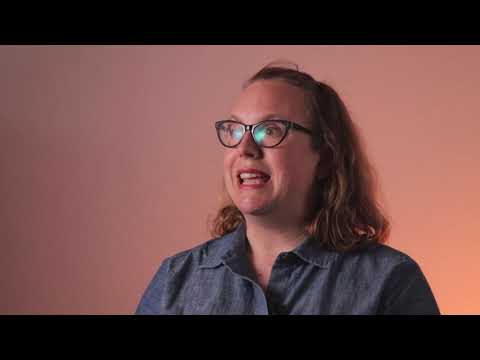
Photo: Airman 1st Class Gustavo Castillo (Public domain)
Job description
The day includes answering and routing calls, greeting visitors and directing them to the right staff, and transmitting correspondence or medical records by mail, email, or fax. Secretaries also maintain medical records and files, route lab results and documents to the appropriate staff, and interview patients to complete intake forms, case histories, and insurance paperwork. It's steady desk work with regular contact with patients, some of them frustrated or anxious, and it's a common entry point into healthcare administration for someone with a high school diploma and on-the-job training.
Pros
- Low barrier to entry with just a high school diploma and on-the-job training
- Faster than average projected job growth (4.2%) with a very large number of openings (85,900)
- Desk-based, structured routine in a clinical setting without direct patient care duties
Cons
- Ceiling on pay is modest, topping out around $60k even with experience
- Precision and accuracy are essential when handling medical records and intake paperwork
- Regularly dealing with frustrated or upset patients and families as part of daily interactions
A typical day
The phones start before the first patient arrives, so 7:45am means checking voicemail for cancellations and refill requests. The morning is a juggling act at the front desk: greeting patients, verifying insurance, collecting copays, and translating a physician's scribbled instructions into a properly scheduled follow-up. After lunch there's a stack of referral letters to prepare and records requests to process, each requiring signed release forms. The last hour is spent confirming tomorrow's schedule and calling the patients who need pre-appointment instructions — quietly keeping thirty people's care on track.
Tasks at the job
- Answer telephones and direct calls to appropriate staff.
- Greet visitors, ascertain purpose of visit, and direct them to appropriate staff.
- Transmit correspondence or medical records by mail, e-mail, or fax.
- Maintain medical records, technical library, or correspondence files.
- Receive and route messages or documents, such as laboratory results, to appropriate staff.
- Interview patients to complete documents, case histories, or forms, such as intake or insurance forms.
Workplace & working conditions
Work happens indoors in a climate-controlled setting, and most of the day is spent sitting at a desk.
There's a regular, moderate amount of time pressure. Precision and accuracy are essential to the work. You'll regularly deal with frustrated or upset people as part of the job, and almost all of the work is done as part of a team.
Education necessary or common
High school diploma; some on-the-job training or apprenticeship
Licenses & certifications
- Certified Medical Administrative Assistant (CMAA)
- Medical terminology certificate (community college)
Career path
Related fields
Courses to take
- Health Science or Medical Careers courses — medical terminology sets you apart from general secretaries
- Computer Applications — scheduling, records, and billing software all day
- Business or Office Administration CTE courses — professional communication and office workflow
- Anatomy and Physiology — understanding what's being scheduled and why
- Spanish — bilingual front-desk staff are prized in most practices
Clubs, activities & competitions
- FBLA — office and business technology competitive events
- HOSA-Future Health Professionals — healthcare context and terminology
- Front-desk volunteering at a clinic, hospital, or dental office
- Manage communications for a school club — scheduling and reminders are the same skill
First steps you can take now
- Learn proper phone and email etiquette and practice until it's automatic — it's the first thing employers test
- Volunteer for any reception-style role this month, even at a library or community center
- Build speed and accuracy typing — 50+ WPM with near-zero errors is a real hiring edge
- Ask a medical receptionist what surprised them most about the job