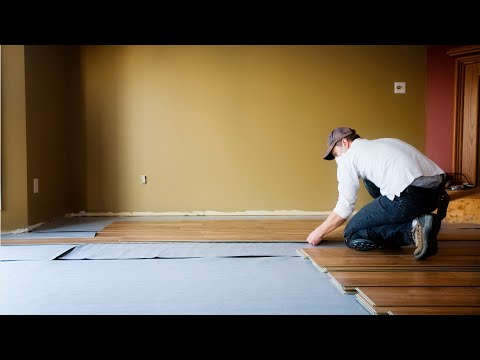
Photo: Donald Trung Quoc Don (Chữ Hán: 徵國單) - Wikimedia Commons - © CC BY-SA 4.0 Intern (CC BY-SA 4.0)
Job description
Before any covering goes down, floor layers sweep and scrape away debris, sand down irregularities, and seal or build up a smooth foundation using plywood, waterproof compound, or grout to fill cracks. They then measure and mark precise guidelines from blueprints before cutting and fitting the material around obstructions like pipes and door frames. The work is typically done on residential or commercial job sites alongside general contractors, and experienced layers often specialize in resilient or specialty coverings rather than standard carpet or hardwood.
Pros
- Standard, predictable full-time hours, generally at or under 40 hours a week
- Much faster than average projected job growth (9.5%) over the next decade
- Top of pay range reaches $96.7k, a strong ceiling for a high-school-diploma entry point
Cons
- Only about 2,700 jobs nationwide, so opportunities are geographically limited
- Regular exposure to hazardous equipment and contaminants like adhesives and sealants
- Physically demanding, detail-heavy prep work before any visible installation happens
A typical day
The gym floor job starts with the substrate, not the surface: the crew spends the morning grinding high spots and troweling patch compound, because rubber flooring telegraphs every flaw beneath it. After lunch the rolls come off the truck to acclimate while the layer snaps chalk lines and dry-fits the first run. The actual laying is deliberate — adhesive spread at the right trowel notch, seams rolled tight, edges scribed around door frames and columns. The last hour is detail work and cleanup, and the floor gets roped off to cure overnight; walking on it too soon is the amateur mistake this crew never makes.
Tasks at the job
- Sweep, scrape, sand, or chip dirt and irregularities to clean base surfaces, correcting imperfections that may show through the covering.
- Cut flooring material to fit around obstructions.
- Inspect surface to be covered to ensure that it is firm and dry.
- Form a smooth foundation by stapling plywood or Masonite over the floor or by brushing waterproof compound onto surface and filling cracks with plaster, putty, or grout to seal pores.
- Measure and mark guidelines on surfaces or foundations, using chalk lines and dividers.
- Cut covering and foundation materials, according to blueprints and sketches.
Workplace & working conditions
Work happens indoors in a climate-controlled setting, and you work in close physical proximity to coworkers or the public for much of the shift. The role involves regular exposure to hazardous equipment or conditions and contaminants.
There's a regular, moderate amount of time pressure, and you're expected to exercise significant independent judgment day to day. The work is highly structured, following set procedures.
Education necessary or common
High school diploma; some on-the-job training or apprenticeship
Licenses & certifications
- OSHA 10
- INSTALL or CFI flooring installer certifications
- Manufacturer-specific installation certifications (required for some warranties)
Career path
Related fields
Courses to take
- Geometry — layout, seams, and scribing are geometry on your knees
- Construction/Carpentry shop — substrate prep and tool skills
- Algebra — square footage, material orders, and waste factors
- Chemistry — adhesives and moisture testing
- Physical Education — the trade works from the knees and back
Clubs, activities & competitions
- SkillsUSA construction competitions
- Habitat for Humanity builds
- A summer job with a flooring or general contractor
- Any hands-on project with careful measurement and finish
First steps you can take now
- Install a small floor (garage gym tiles, a utility room) start to finish
- Get a summer laborer job with a flooring contractor
- Learn moisture testing basics — the failure mode of the whole trade
- Get OSHA 10 certified online