Photo: Marek Ślusarczyk (Tupungato) Photo portfolio (CC BY 3.0)
Job description
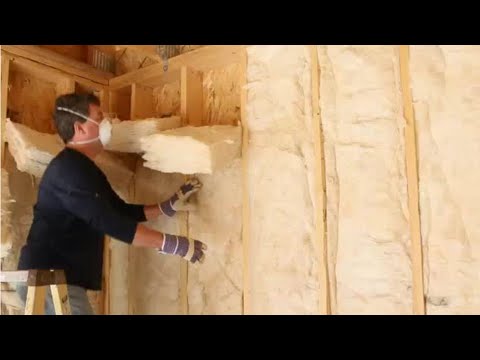
Workers read blueprints to select the right insulation for the space, then measure and cut material to fit before fitting, wrapping, stapling, or gluing it into place and sealing edges with tape, cement, or mastic. Some jobs involve removing old insulation, including hazardous materials like asbestos, which requires following strict safety procedures. Nearly all of the work happens outdoors, exposed to the weather, on your feet, often at heights and around noise and contaminants, so protective gear is standard and the pace tends to be fast with real deadline pressure.
Pros
- Faster than average projected job growth (3.8% over the next decade)
- High upside earning potential, up to $78,190 without needing a four-year degree
- Only a high school diploma and on-the-job training required to enter the trade
Cons
- Regular exposure to contaminants, including old insulation materials like asbestos during removal
- Physically demanding outdoor work exposed to whatever the weather is doing
- Fast-paced work with real deadline pressure on construction schedules
A typical day
The crew reaches the new subdivision by 7, and the first house is ready for batts: walls get measured, and the insulation gets cut a half-inch proud so it friction-fits snug around wiring and boxes — gaps are the enemy, since a three-percent void can cut performance far more than customers ever know. The morning is rhythm work in a dusty suit and respirator: measure, cut, fit, staple, repeat, with special care air-sealing around windows and top plates. After lunch the machine work starts — one worker feeds the blower while another walks the attic hose, laying a even fourteen inches of loose fill to the marked depth gauges. The day ends with the energy inspector's walkthrough, and the crew's tight workmanship passes on the first look.
Tasks at the job
- Fit, wrap, staple, or glue insulating materials to structures or surfaces, using hand tools or wires.
- Cover and line structures with blown or rolled forms of materials to insulate against cold, heat, or moisture, using saws, knives, rasps, trowels, blowers, or other tools and implements.
- Cover, seal, or finish insulated surfaces or access holes with plastic covers, canvas strips, sealants, tape, cement or asphalt mastic.
- Read blueprints, and select appropriate insulation, based on space characteristics and the heat retaining or excluding characteristics of the material.
- Remove old insulation, such as asbestos, following safety procedures.
- Measure and cut insulation for covering surfaces, using tape measures, handsaws, power saws, knives, or scissors.
Workplace & working conditions
Work happens primarily outdoors, exposed to whatever the weather is doing, and most of the day is spent on your feet. Noise levels can be distracting or uncomfortable. The role involves regular exposure to contaminants and working at heights, and specialized protective equipment is standard.
The pace is often fast, with real time pressure to meet deadlines.
Education necessary or common
High school diploma; some on-the-job training or apprenticeship
Licenses & certifications
- OSHA 10-Hour Construction
- Building Performance Institute (BPI) certifications for the energy-efficiency path
- EPA lead-safe (RRP) for retrofit work in older homes
Career path
Related fields
Courses to take
- Building Trades or Construction Technology — the trade's home base
- Geometry — areas, volumes, and R-value coverage math
- Physics — heat transfer is literally the product being sold
- Shop class — cutting tools and site safety
- Environmental Science — energy efficiency is the industry's tailwind
Clubs, activities & competitions
- SkillsUSA — construction trades exposure
- Habitat for Humanity builds — insulation days welcome volunteers
- Summer construction labor
- Home weatherization volunteering with community energy programs
First steps you can take now
- Volunteer on a Habitat build and ask to work an insulation day
- Learn what R-value means and audit your own home's weak spots
- Take OSHA 10 online
- Ask insulation contractors about entry pay and crew openings — the trade hires green and trains fast