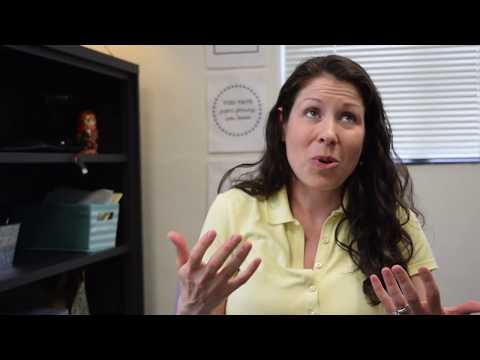
Photo: Onwuka Glory (CC BY-SA 4.0)
Job description
Sessions might involve individual, group, or family counseling aimed at understanding a client's problems, managing a crisis, or setting realistic goals, using methods ranging from psychotherapy and behavior modification to stress-reduction techniques or play therapy for younger clients. Psychologists also document detailed session and progress notes, evaluate whether their own treatment plans are actually working, and adjust diagnoses or approaches as new information comes in. The work is structured and deadline-aware, and it regularly involves supporting people who are frustrated, distressed, or in crisis. It requires a PhD or PsyD plus licensure, one of the most demanding education paths in this catalog, with strong pay (roughly $55,000 to $181,000) and among the fastest-growing demand of any career here.
Pros
- Much faster than average projected job growth (11.2%), reflecting strong demand for mental health care
- High upside earning potential up to $181k in private practice or specialized settings
- Directly helps people work through real mental and emotional challenges, with visible personal impact
Cons
- Requires a PhD or PsyD plus licensure, a long and expensive training path
- Regularly works with people in crisis or emotional distress, carrying real emotional weight
- Entry-level pay starts more modestly at just over $55k despite the doctoral-level training required
A typical day
Sessions anchor the day: maybe six or seven fifty-minute appointments, each a different world — a college student with panic attacks at 9, a couple in conflict at 11, a first intake at 2 where the whole history has to be gathered and a working diagnosis formed. Between sessions there are progress notes to write while details are fresh, because documentation is both clinical tool and legal record. One slot might hold psychological testing — administering and scoring an assessment battery, then drafting the report. The day requires full presence hour after hour, and good clinicians build in deliberate recovery: consultation with colleagues, supervision, a hard stop at day's end.
Tasks at the job
- Document patient information including session notes, progress notes, recommendations, and treatment plans.
- Write reports on clients and maintain required paperwork.
- Counsel individuals, groups, or families to help them understand problems, deal with crisis situations, define goals, and develop realistic action plans.
- Evaluate the effectiveness of counseling or treatments and the accuracy and completeness of diagnoses, modifying plans or diagnoses as necessary.
- Use a variety of treatment methods, such as psychotherapy, hypnosis, behavior modification, stress reduction therapy, psychodrama, or play therapy.
- Develop therapeutic and treatment plans based on clients' interests, abilities, or needs.
Workplace & working conditions
Work happens indoors in a climate-controlled setting, and most of the day is spent sitting at a desk.
There's a regular, moderate amount of time pressure, and you're expected to exercise significant independent judgment day to day. The work is highly structured, following set procedures. You'll regularly deal with frustrated or upset people as part of the job.
Education necessary or common
Doctor of Philosophy (PhD) or Doctor of Psychology (PsyD) in clinical or counseling psychology, plus licensure
Common college majors
Licenses & certifications
- PhD or PsyD in clinical/counseling psychology
- State psychologist licensure (EPPP exam)
- Supervised clinical internship and postdoctoral hours
Career path
Related fields
Courses to take
- AP Psychology — the obvious and correct starting point
- AP Biology — graduate training includes serious neuroscience
- AP Statistics — psychology is a research science; stats are required at every level
- English/AP English Language — case notes, reports, and eventually a dissertation
- Sociology — context for how environment shapes mental health
Clubs, activities & competitions
- Peer counseling or peer support program at school
- Psychology club, or start one
- Crisis Text Line volunteering (age requirements apply) or teen mental health advocacy groups
- Volunteer at a hospital, nursing home, or special-needs program
- Science fair with a behavioral science project
First steps you can take now
- Take a free online intro psychology course and see if the science half interests you as much as the helping half
- Ask a school psychologist or counselor about their training path
- Read one book by a practicing clinician about therapy itself
- Learn the difference between a PhD, PsyD, LCSW, and LPC — the paths differ a lot